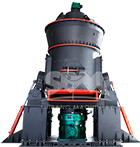
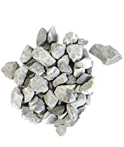
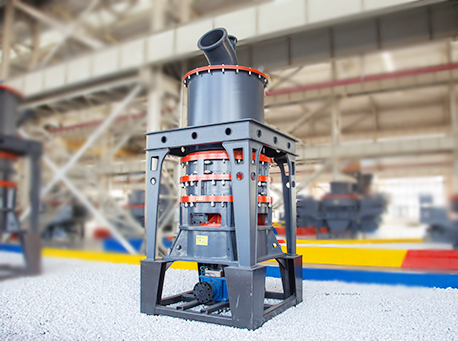
A professional micro powder production line focusing on resource utilization of thermal electric furnace slag, built with the support of SBM, has been successfully put into operation in Malaysia. The project aims to convert associated solid waste into high quality building material raw materials. It requires fine grinding of furnace slag down to 325 mesh. The finished micro powder will be specifically supplied to nearby cement manufacturers and commercial concrete batching plants as mineral admixture.
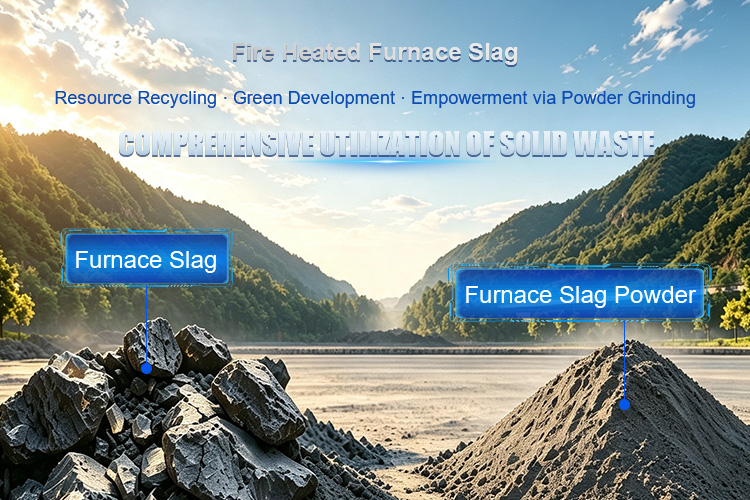
Coal fired power generation forms a key component of Malaysia’s energy structure. Thermal power plants inevitably produce large quantities of furnace slag in operation. If these solid wastes, primarily consisting of SiO
2, Al
2O
3, CaO and MgO, are stockpiled over the long term, they will not only occupy valuable land and give rise to dust pollution, but also pose risks of acid alkali contamination.
With the continuous upgrading of green technologies, a complete industrial chain of”furnace slag - building materials - recycled application”has gradually taken shape. Furnace slag has potential pozzolanic activity, yet its cementitious property must be activated through dedicated processes. After fine grinding, it can be used as cement blend and concrete admixture to boost the strength and durability of concrete.
Fueled by increasing infrastructure investment, local demand for building material products including high performance concrete and cement is surging in Malaysia. As an ideal mineral admixture, ground furnace slag powder can effectively improve concrete compactness and durability. It also fits the development orientation of green building materials, and its market growth potential keeps being unlocked.
Grinding processing of thermal electric furnace slag presents notable technical challenges:
Featuring a dense structure and high hardness, furnace slag falls into the category of hard to grind materials, which imposes high requirements on the grinding pressure and wear resistant components of grinding equipment. The moisture content of incoming furnace slag fluctuates greatly, generally ranging from 10% to 15%, so the grinding system must be equipped with simultaneous drying capacity. There are strict requirements for the fineness uniformity and particle size distribution of finished products. Substandard fineness will directly impair the hydration activity and application performance of micro powder.
After comparing proposals from multiple grinding equipment suppliers, the customer finally awarded the contract to SBM. We won the bid with high tech solutions tailored for hard to grind materials, proven overseas project delivery experience and a full cycle after-sales service system.
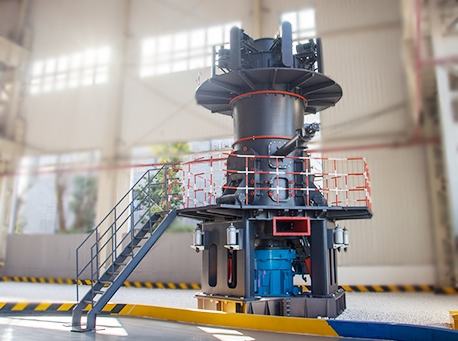
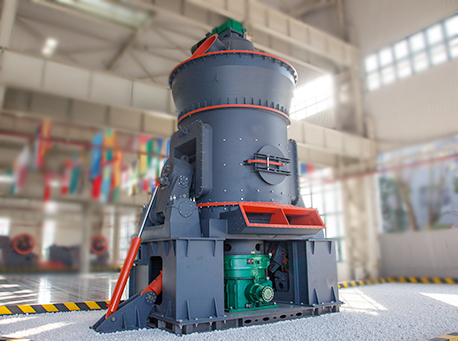
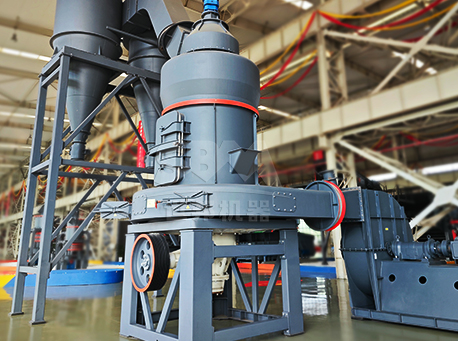
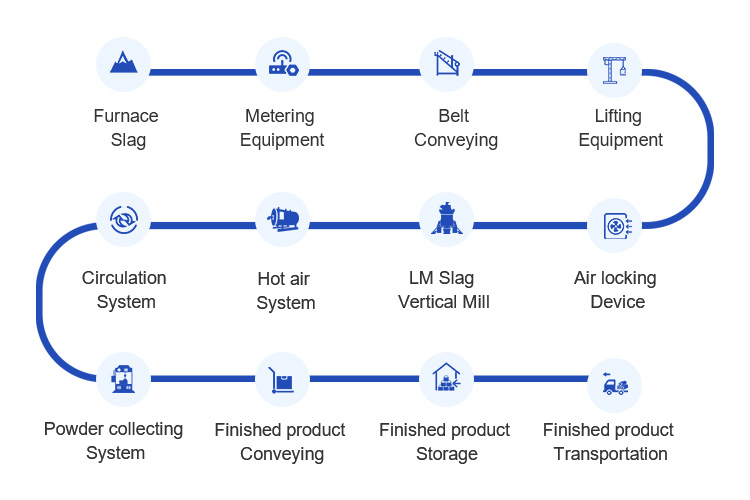
The complete furnace slag powder making production line was designed by SBM. Its core equipment is the new generation low energy consumption LM series Slag Vertical Mill independently developed by SBM. While producing high performance furnace slag micro powder, the line greatly cuts power and fuel consumption. It realizes efficient resource utilization and effectively reduces carbon dioxide emissions, delivering both economic and environmental benefits.
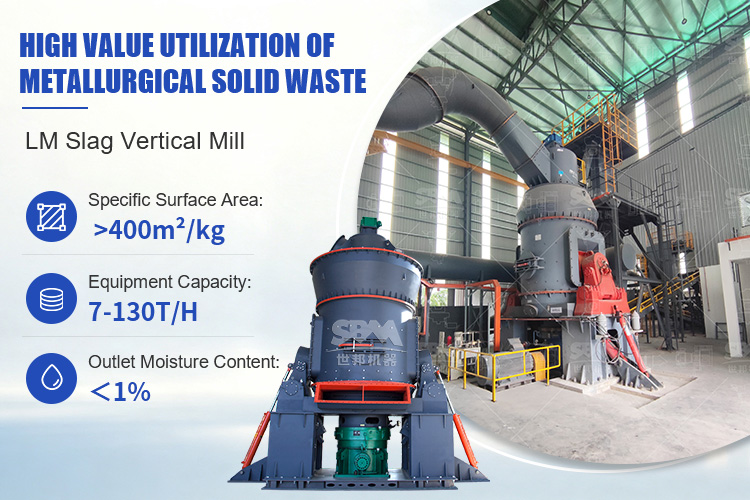
Following a short term commissioning after commissioning into operation, all technical indicators have met the design requirements. Test results of finished micro powder show that its fineness is stably controlled at 325 mesh, with a specific surface area above 400 m²/kg. It has a reasonable particle size distribution, and both the 7 day and 28 day activity indexes satisfy relevant standards. Supplied to cement plants and concrete batching plants, the micro powder can replace part of cement clinker by an equal amount, significantly improving the workability and durability of concrete, and has won unanimous praise from downstream customers. Meanwhile, the production line features a compact, well planned layout and high system integration. Operating as an independent production unit, it effectively saves plant land occupation and reduces the customer's overall investment cost.
LM Slag Vertical Mill is a special purpose model developed by SBM for high hardness and highly abrasive materials such as furnace slag and granulated blast furnace slag. Integrating five functions fine crushing, grinding, drying, powder selection and conveying into one single unit, it can directly introduce hot air to dry materials without additional drying equipment. Featuring a compact layout and suitability for outdoor installation, it greatly cuts project investment and civil engineering costs.
High Grinding Efficiency
Adopting the bed material grinding principle, it delivers higher energyuse efficiency than traditional ball mill systems and is well suited for large scale grinding of furnace slag.
Integrated Drying & Grinding
Hot air dries materials simultaneously during grinding. No independent dryer is required, which shortens the process flow and reduces floor space occupation.
Reliable Wear Resistant Design
To cope with the high abrasiveness of furnace slag, high chromium wear resistant materials and surfacing welding technology are applied to roller sleeves and grinding table liners, extending the service life of wear parts and lowering maintenance costs.
Stable Fineness Control
Equipped with a dynamic powder separator, the mill can steadily maintain finished product fineness around 325 mesh with low residue fluctuation, meeting fineness requirements for slag powder admixtures.
Easy to maintain Structure
The vertical roller mill grinding rollers can be swung out for inspection and maintenance; segmented grinding table liners enable quick replacement, minimizing downtime.
SBM has provided complete set grinding solutions for customers in more than 180 countries worldwide, and accumulated rich project experience in the grinding of industrial solid wastes such as granulated blast furnace slag, furnace slag and steel slag. Going forward, SBM will continue to take technological innovation as the core, delivering more efficient and eco-friendly grinding equipment and solutions for global clients, and boosting the industrial development of resource utilization of industrial solid waste.