As the global LC3 cement market continues to expand, demand for calcined kaolin as a key reactive raw material will keep rising. SBM is deeply committed to innovation in grinding technology. With reliable equipment and professional services, we help global building materials enterprises upgrade raw material quality amid the low carbon transition.
What is Calcined Kaolin?
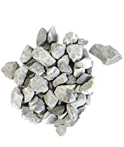
Calcined kaolin is a deep processed product mainly composed of kaolinite. After calcination at 600-850℃, it forms an amorphous metakaolin structure and features high activity, high whiteness and excellent chemical stability. It is widely used in traditional industries such as coatings, papermaking, rubber and ceramics. In recent years, it has further become a core raw material in the field of low carbon cementitious materials.
Calcined kaolin serves as a critical component of the LC3 Limestone Calcined Clay Cement technology. Together with limestone powder, it can replace approximately 50% of cement clinker. Its low temperature calcination property effectively cuts carbon emissions in cement production. To guarantee the strength and durability of cement under low clinker conditions, calcined kaolin has to meet strict requirements of high fineness, high activity and uniform particle size. Therefore, the grinding process is not only a key link determining finished-product quality, but also has a direct impact on the final performance and economic benefits of cement applications.
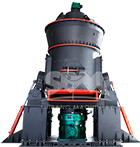
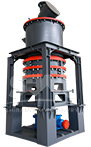
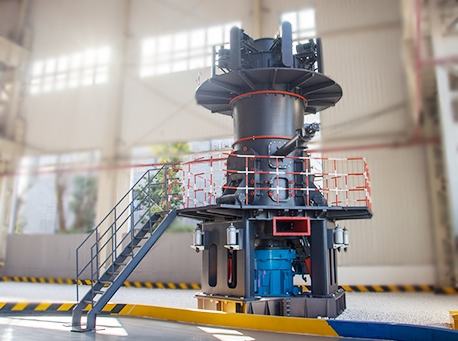
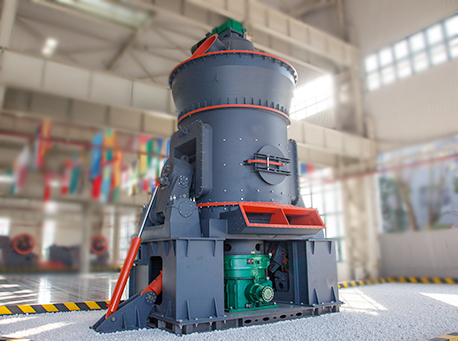
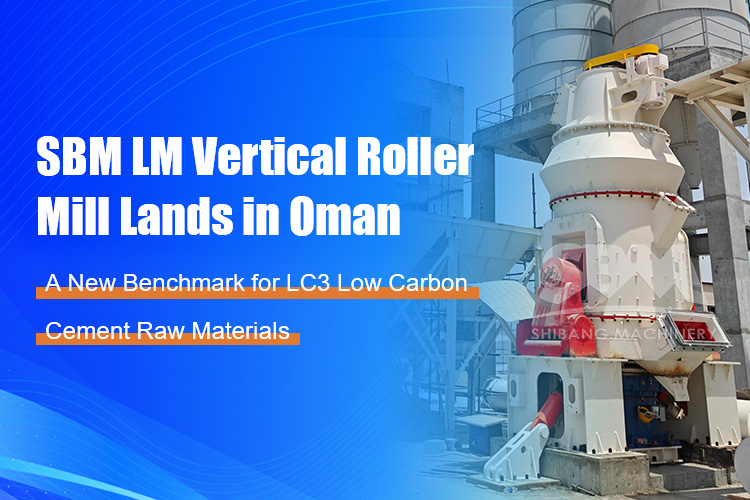
Recently, a calcined kaolin production line with the complete grinding process design and core equipment supplied by SBM has been officially put into operation in Oman. The project is dedicated to producing 325 mesh calcined kaolin powder specially for LC3 cement. Leveraging the strong advantages of SBM LM Vertical Roller Grinding Mill, it realizes large scale continuous production with high stability and low energy consumption, becoming a benchmark project for fine grinding of calcined kaolin in the Middle East.
The project is invested and constructed by a local building material raw material enterprise in Oman. The front end is equipped with a rotary kiln calcination system, which is responsible for calcining raw kaolin ore into metakaolin clinker. SBM takes overall charge of the back end finished product grinding section, covering the whole process of material conveying, main machine grinding, fine classification, finished product collection and storage. The core main machine adopts SBM LM Vertical Roller Mill to undertake the grinding of calcined clinker.
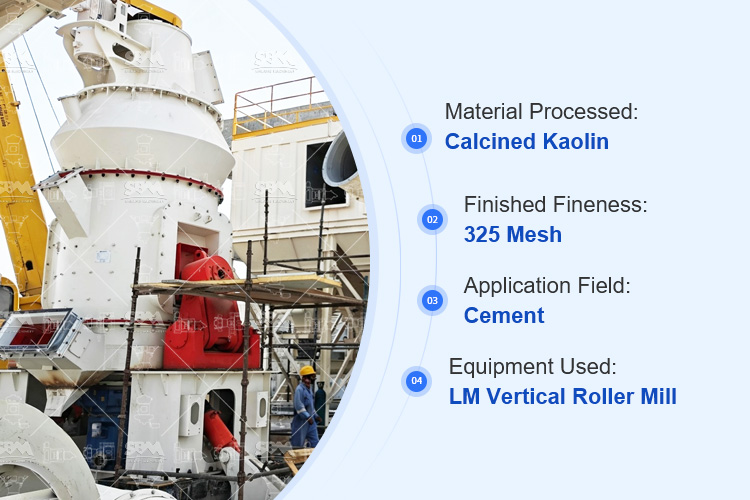
All performance indicators of the production line have met and exceeded the design requirements. The 325 mesh residue of finished products stays steadily up to standard with an excellent activity index, fully complying with LC3 cement production specifications. The customer has spoken highly of the equipment’s operational stability, product quality and energy saving performance.
The completion of the Omani calcined kaolin project fills the gap in large scale local production of high quality calcined kaolin powder. It supplies a stable domestic raw material source for local cement manufacturers to develop LC3 low carbon cement, and also aligns with the strategic goals of green industry and sustainable development under Oman Vision 2040.
LM Vertical Roller Mill: In-Depth Analysis of Core Technologies
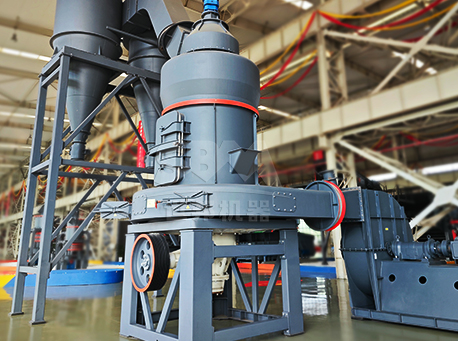
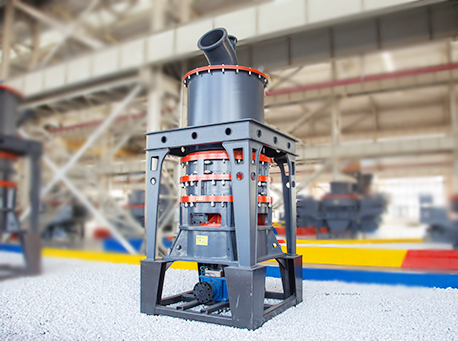
To meet the requirements on fineness, activity and uniformity of calcined kaolin powder, SBM LM Vertical Roller Mill delivers a systematic solution. Equipped with a high efficiency dynamic classifier of cage rotor structure and variable frequency speed regulation technology, the mill can precisely adjust the finished fineness of calcined kaolin in real time and effectively avoid over grinding or coarse particle leakage. Adopting the bed grinding principle, it ensures a highly concentrated particle size distribution and outstanding uniformity. Precision grinding and classification optimize the microstructure of calcined kaolin, so as to fully unlock its activity and comprehensively improve its performance in cement applications.
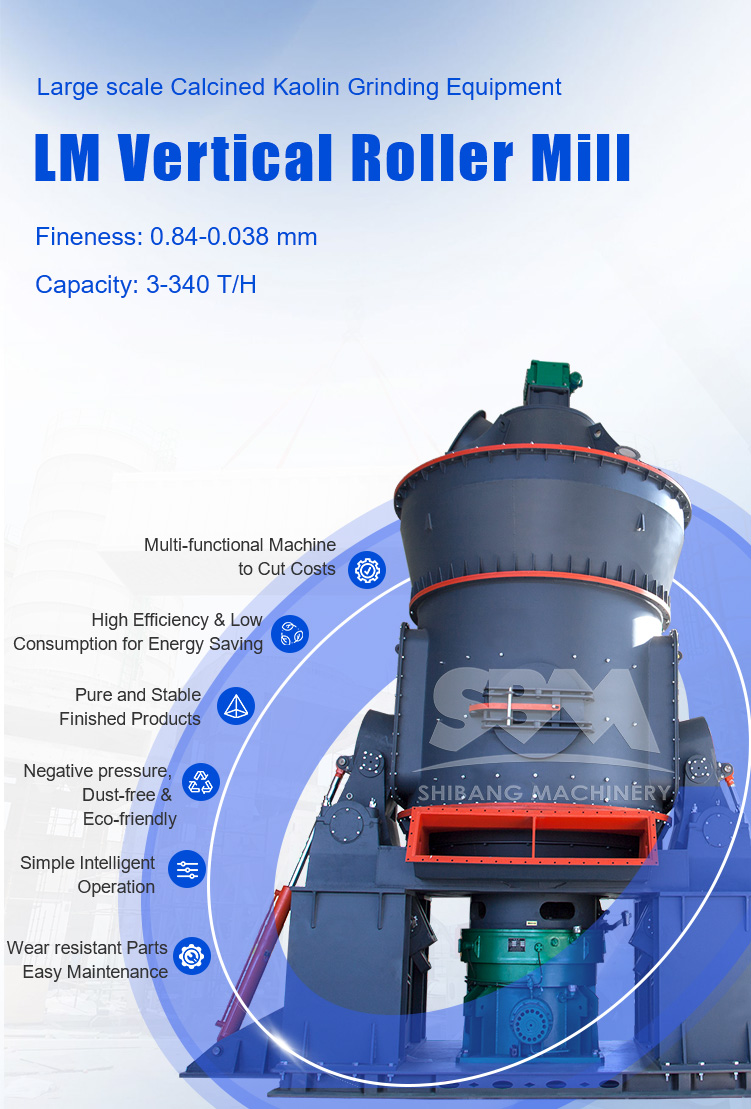
SBM provides full lifecycle services covering process design, equipment manufacturing, civil engineering guidance, installation & commissioning and operation training. From equipment installation to trial feeding production, SBM engineers are on-site throughout the whole process to optimize equipment parameters and keep the production line running stably under full load conditions.