Non-ferrous metals are fundamental materials for national economic development and are widely applied in industrial production, construction, transportation, electric power and other sectors. In recent years, the output of ten commonly used non-ferrous metals exceeded 80 million tons for the first time, reaching 81.75 million tons. The whole industry maintains steady growth with continuously rising output.
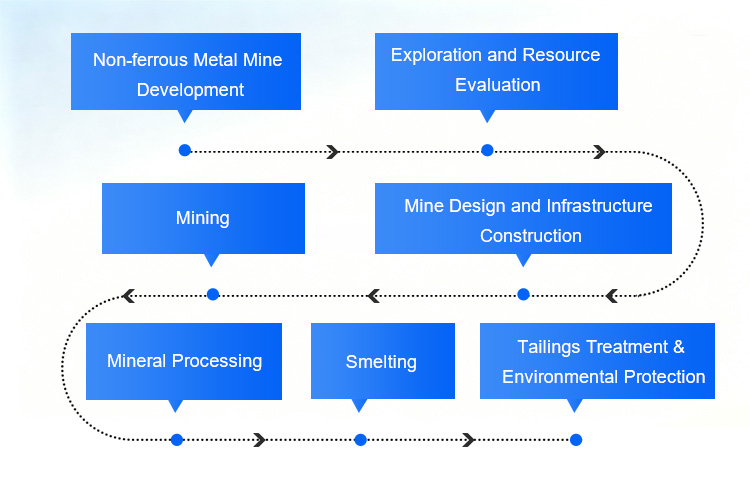
As a core midstream link in the industrial chain, non-ferrous metal smelting processes mineral raw materials from the upstream and supplies finished industrial metals for downstream applications. It directly determines the production efficiency, energy consumption cost and pollutant emission level of the entire production line, serving as a vital link for the industry to cut costs, boost efficiency and advance green transformation.
With the rollout of relevant policies, the traditional non-ferrous metal smelting industry is facing dual pressures of environmental compliance and cost control, calling for an urgent restructuring of its development model. Green metallurgical processes represent the core pathway for the industry to achieve sustainable development. Meanwhile, equipment upgrading - especially technological iteration in the grinding process - acts as a key measure for enterprises to reduce costs, raise efficiency and meet environmental standards.
SBM has specialized in industrial grinding equipment for many years. We can deliver customized high-efficiency and energy-saving grinding solutions tailored to non-ferrous metal smelting scenarios. By dual optimization of equipment and processes, we help enterprises break energy efficiency bottlenecks and provide solid equipment support for the industry to achieve the dual carbon goals.
Technologies for non-ferrous metal smelting are generally divided into three main categories: pyrometallurgy, hydrometallurgy and electrometallurgy. Among them, pyrometallurgy is the dominant mainstream process with the widest application and the largest production capacity share in the current non-ferrous metal industry.
This technology realizes mineral reduction, impurity separation and metal purification through high-temperature smelting. It features large single-system processing capacity, continuous stable production and high overall output efficiency. Widely adopted in large-scale industrial production of bulk non-ferrous metals such as copper, lead, zinc and nickel, it serves as the core process foundation supporting the stable supply of tens of millions of tons of output from China’s non-ferrous metal industry.
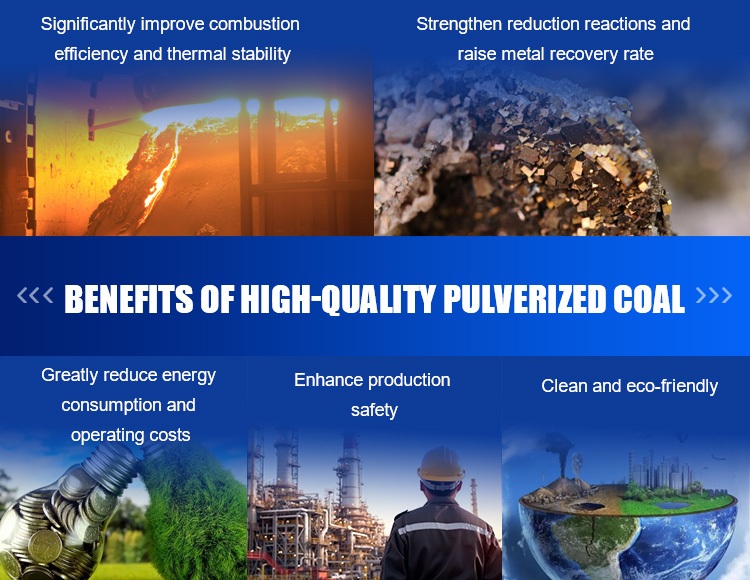
Industrial furnaces are the core thermal equipment for pyrometallurgical smelting. Coal powder acts as the primary heat source and critical reducing agent for industrial furnaces. Its quality and combustion efficiency directly determine the energy consumption, pollutant emissions and resource utilization rate of the smelting process. Against the backdrop of increasingly stringent green and low-carbon policies, supplying high-quality, high-efficiency coal powder is an essential measure for manufacturers to realize sustainable development of non-ferrous metal smelting.
Core Indicators of High-Quality Coal Powder
Uniform Fineness
The fineness of coal powder is normally controlled steadily at around 200 mesh. Even particle size and favorable fluidity guarantee combustion efficiency and feeding precision, maintaining stable furnace operating conditions.
Low Moisture Content
The moisture content of coal powder shall not exceed 1%, which preserves its fluidity and combustion activity and prevents furnace temperature fluctuations caused by excessive moisture.
Stable Quality
The coal powder shall feature excellent combustion activity and calorific value. Impurities such as gangue and metal lumps must be strictly controlled to meet the fuel requirements for 24-hour continuous operation of industrial furnaces.
As a vital reducing agent and fuel, coal powder’s composition, fluidity, particle fineness and moisture directly affect suspension velocity inside furnaces and overall furnace performance. Therefore, proper selection of coal powder preparation equipment is critically important.
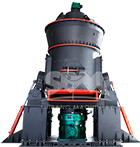
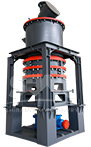
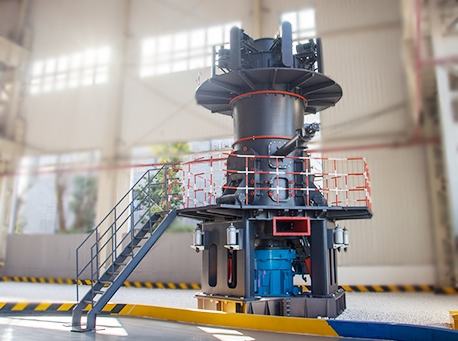
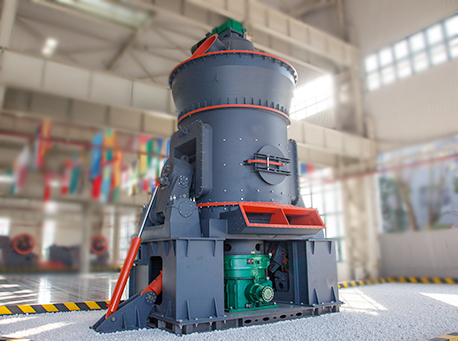
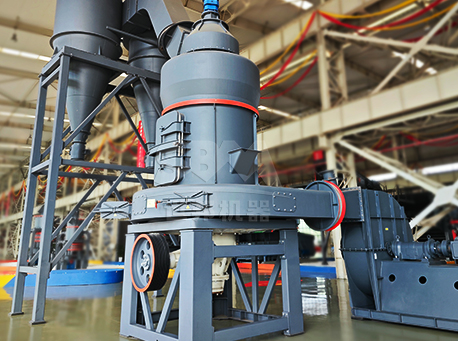
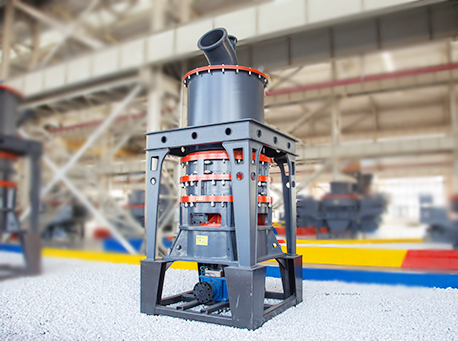
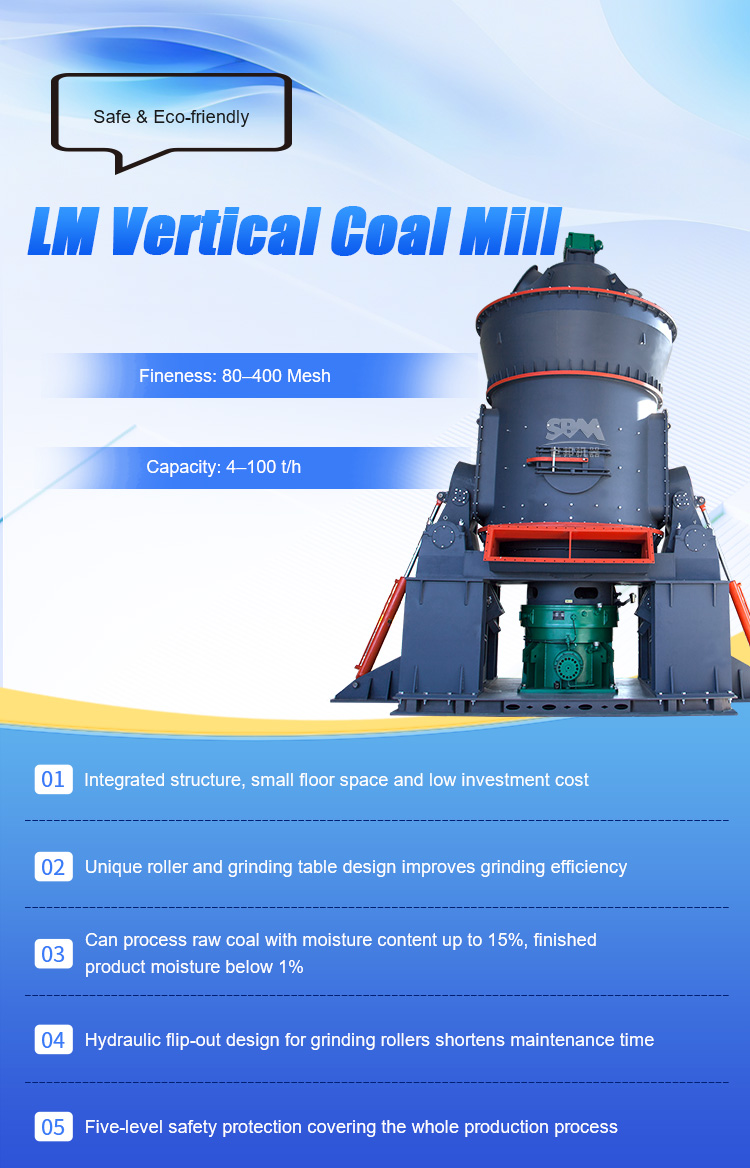
SBM LM Vertical Coal Mill manufactured is a large-scale high-efficiency energy-saving grinding machine integrating crushing, drying, grinding, powder separation and conveying into one unit. It is compatible with various coal types including anthracite, bituminous coal, lignite and semi-coke. Equipped with the function of simultaneous grinding and drying, the mill can efficiently process raw coal with high moisture content and satisfy the continuous, high-efficiency and clean production demands of coal powder preparation for non-ferrous metal smelting. Aiming at the high-temperature and oxygen-rich working conditions in smelting processes, the equipment is fitted with five levels of safety and explosion-proof measures such as online CO-O₂monitoring and nitrogen protection. These features ensure safe and stable operation of the coal powder preparation system, making it the ideal core equipment for smelting enterprises to realize green and low-carbon transformation.
Raw coal is screened through a grid screen at the raw coal yard and then falls onto a steep-angle belt conveyor or elevator. After iron removal by an electromagnetic iron remover, the conveyor or elevator transports the raw coal into a raw coal silo for storage. Once the entire powder preparation system is fully started, the rod gate valve at the bottom of the raw coal silo is opened, and the sealed metering rubber belt coal feeder is activated to feed raw coal into the vertical coal mill for drying and grinding.
Hot air or waste flue gas generated from the hot blast stove is drawn into the vertical coal mill by the system fan. Inside the mill, full heat exchange takes place with the ground raw coal. The air flow carries coal powder upward to the separator for classification. Coarse powder failing to meet fineness standards falls back onto the grinding table for regrinding, while qualified fine coal powder travels with the air stream into the explosion-proof pulse baghouse for collection. The collected coal powder is discharged into the coal powder silo via an air lock rotary valve.
Impurities contained in raw coal, such as gangue and metal lumps, are discharged out of the mill through the air ring and slag discharge outlet. A real-time online CO-O₂monitoring system is installed throughout the process. For coal with high volatile matter content, additional safety facilities including nitrogen blanketing protection and automatic CO₂fire suppression systems can be equipped.
Boasting strong adaptability and flexibility, SBM coal powder preparation systems have been widely applied in power, building materials, metallurgy, chemical, environmental protection and many other industries.
They deliver core fuel support for coal-fired boilers, industrial kilns, blast furnace coal injection, coal chemical raw material production, non-ferrous metal smelting and asphalt mixing plants. The systems fully comply with stringent environmental standards of various industries and meet long-term operation and maintenance cost control requirements.