Abstract: Limestone is abundant non-metallic mineral. This paper describes full grinding workflow, LM mill strengths and common mistakes when building limestone powder manufacturing facilities.
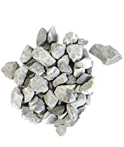
Limestone dominated by calcium carbonate ranks among the most widely processed non-metallic minerals all over the world. After being ground into fine powder, limestone serves power plant flue gas desulfurization, construction mortar, animal feed additive, rubber plastic filler and chemical raw material. Different downstream industries set different fineness standards. Desulfurization limestone powder usually stays at 200-325 mesh, while filler-grade products may reach 400 mesh and above.
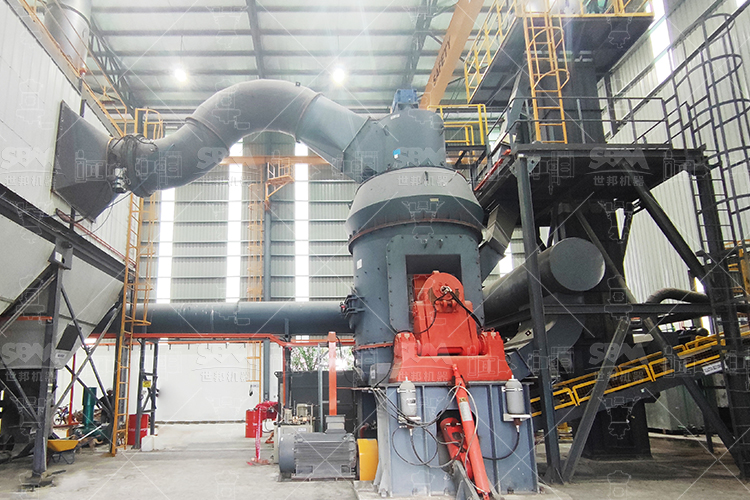
Raw material condition strongly influences actual plant performance. Feed particle size, impurity proportion and moisture will change unit output and wear-part service life. Large-capacity limestone powder factories prefer vertical roller mill solution rather than traditional ball mill circuit, thanks to lower power consumption and smaller occupied area.
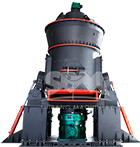
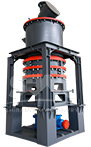
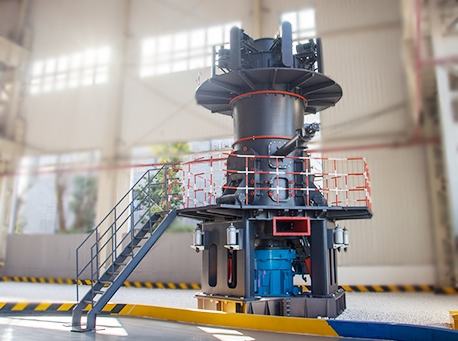
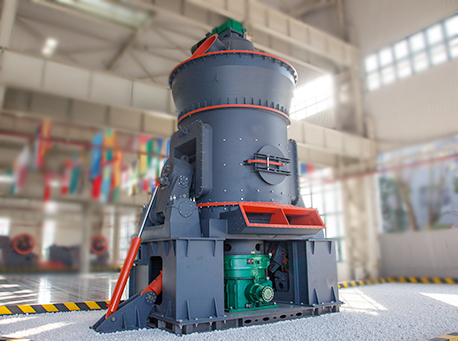
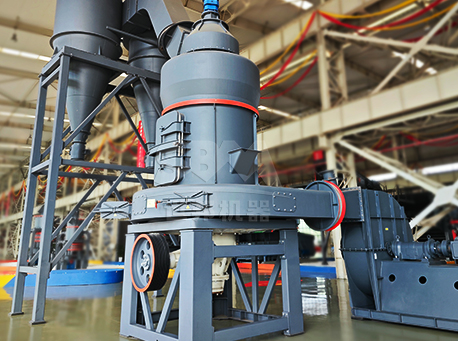
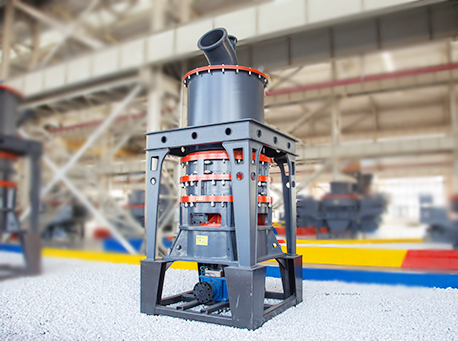
The complete limestone grinding process consists of crushing, elevating, stockpiling, metering feeding, grinding, powder classification and finished product collecting. For million-ton-class or large-volume limestone powder projects, LM Vertical Roller Mill is the mainstream host machine. This mill integrates crushing, drying, grinding, classification and conveying inside one unit. Its floor space only takes about 50% of ball-mill system, and outdoor layout is allowed to cut workshop construction investment.
Its grinding roller does not make direct contact with grinding plate. High-quality alloy material extends service life of vulnerable components. Compared with ball-mill circuit, LM vertical mill reduces total power consumption by 30%-40%. Expert automatic control system supports free switch between remote control and local onsite operation, saving labor cost for 24-hour continuous production. The whole system runs under sealed negative pressure with low vibration and low noise, complying with strict environmental requirements. It can directly process limestone with moisture below 15% by introducing hot air inside grinding chamber without extra independent dryer.
Many clients copy existing plant configuration blindly without analyzing their own ore property. This may result in actual output far below design value and excessive component wear. Site layout, local power supply and waste gas emission rules also need full consideration in early-stage design.
If you are preparing a large-scale limestone grinding project, please submit your parameters via page message or business consultation. Tell us feed size, moisture, target annual capacity and required powder mesh. Our technical team will customize a complete limestone powder production-line proposal for you.
Summary: This article illustrates multi-field uses of limestone powder, introduces LM vertical mill working features, and lists key points for designing large-scale limestone grinding production lines.
FAQ
Q1: What mesh limestone powder is suitable for power plant desulfurization?
A: 250-325 mesh is widely accepted for power plant flue gas desulfurization application.
Q2: What advantages does LM vertical mill have versus ball mill for limestone?
A: Smaller footprint, 30-40% lower energy consumption, less wear-part cost and available outdoor installation.
Q3: Can LM vertical mill grind wet limestone directly?
A: Yes. Hot-air drying function handles raw material moisture below 15% inside mill chamber.