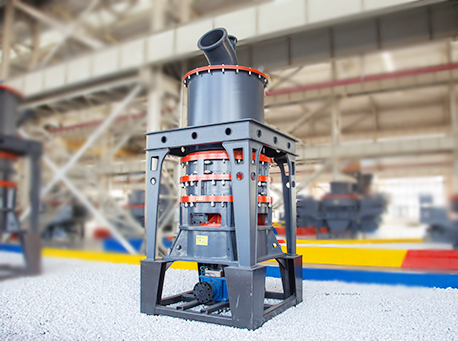
Abstract: Calcined bauxite owns high hardness and strong abrasiveness. This content covers grinding workflow, LM mill advantages and multi-stage iron removal necessity for refractory powder quality guarantee.
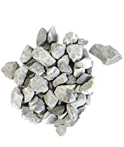
Calcined bauxite powder acts as critical raw material for refractory material manufacturing industry. It is also consumed in ceramic production and abrasive material sector. After high-temperature calcination, bauxite Mohs hardness increases greatly and material becomes strongly abrasive. Refractory-grade bauxite powder commonly adopts 200-325 mesh fineness, partial ceramic raw material requests 400 mesh powder. Raw bauxite ore often mixes ferrous impurities, so multi-stage iron removal device cannot be omitted in processing flow.
Standard bauxite grinding workflow includes raw ore crushing screening, multi-stage iron removal, silo storage, quantitative feeding, grinding, air classification and finished product silo storage. Iron impurity mixed inside ore will damage refractory product performance, so iron removal work should be arranged before material enters grinding host. Wear-resistant level of mill internal components determines operation cost of whole bauxite powder plant.
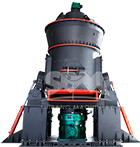
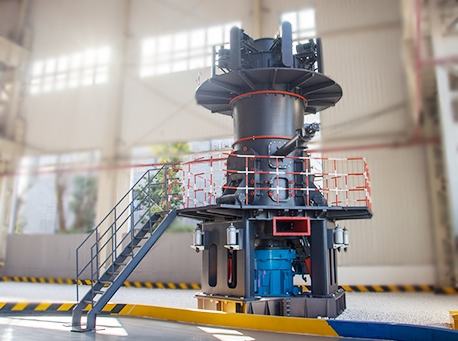
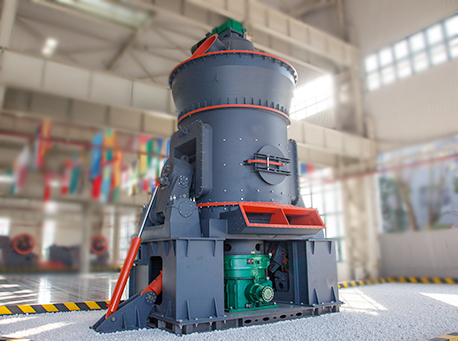
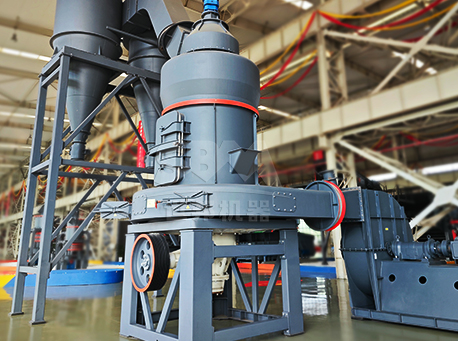
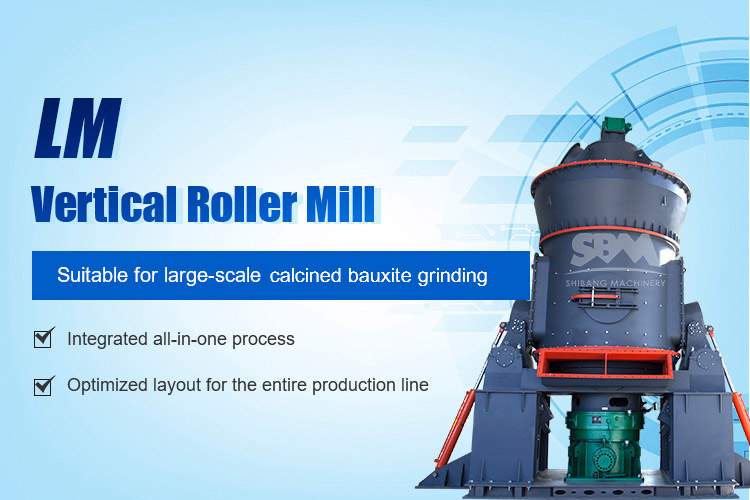
For large-scale refractory industrial park bauxite powder projects,LM Vertical Roller Mill is reliable grinding host choice. For calcined bauxite working condition, SBM can customize high-wear-resistant alloy liner for grinding roller and grinding plate. Large hydraulic grinding pressure can continuously handle hard calcined bauxite lump and achieve high single-unit hourly output for mass refractory powder production.
This mill integrates crushing, drying, grinding and classification function together. It can process calcined bauxite with certain moisture. The whole-system negative-pressure sealed design matches pulse dust collector, keeps workshop dust at low level and satisfies environmental protection supervision. Expert automatic control system supports remote-local dual-mode operation and stabilizes 24-hour continuous production. Many project operators make common mistake: directly use ordinary non-metallic ore mill for calcined bauxite grinding without wear-resistant upgrade, resulting in rapid wear-part consumption, capacity drop and increased iron impurity inside finished refractory powder.
When designing bauxite grinding project, investors should distinguish raw bauxite ore and calcined clinker, because their hardness and abrasion differ greatly. Feed granularity, target capacity and powder fineness should be collected for equipment model evaluation.
If you prepare to build calcined bauxite refractory powder grinding plant, please submit your project data via page message or business consultation button. Clarify whether raw material is raw ore or calcined clinker, feed size, target capacity and required mesh. SBM engineers will select proper wear-resistant upgrade scheme and complete bauxite grinding line configuration for you.
Summary: This article introduces bauxite refractory industry usage and high-abrasion feature of calcined bauxite. It explains LM vertical mill performance and wear-part upgrade suggestions for bauxite grinding.
FAQ
Q1: What is main grinding difficulty for calcined bauxite?
A: Calcined bauxite has high hardness and strong abrasiveness, so high-grade wear-resistant grinding components are required.
Q2: What mesh fineness for most refractory-grade bauxite powder?
A: Most refractory material production uses 200-325 mesh calcined bauxite powder.
Q3: Why need multi-stage iron removal for bauxite grinding line?
A: To eliminate ferrous impurity inside ore, protect mill internal parts and guarantee quality of final refractory powder.