Abstract: Calcined bauxite features high hardness and strong abrasiveness. Refractory powder requires strict purity and fineness. This paper explains how LM vertical roller mill meets large scale dry process bauxite grinding requirements.
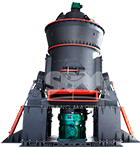
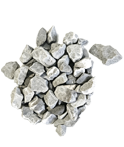
Calcined bauxite serves as critical raw material for high alumina refractory bricks, castables and ceramic products. After high temperature calcination, bauxite gains much higher hardness and strong abrasiveness. Refractory industry imposes strict requirements on finished powder fineness, iron impurity content and particle size distribution. Ordinary grinding mills often suffer fast vulnerable part consumption and excessive iron contaminants. Considering material characteristics of calcined bauxite, SBM adopts LM Vertical Roller Mill as core host for large volume refractory grade powder production.
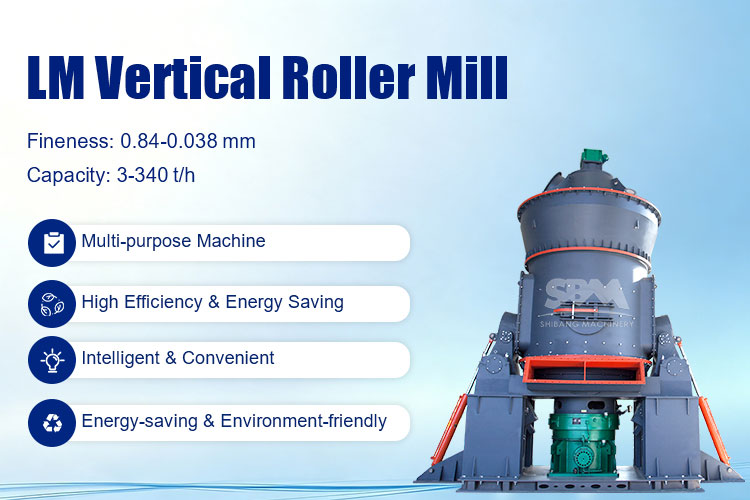
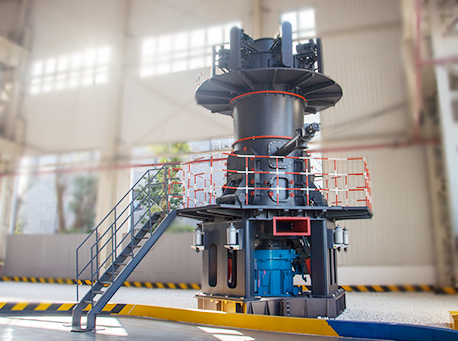
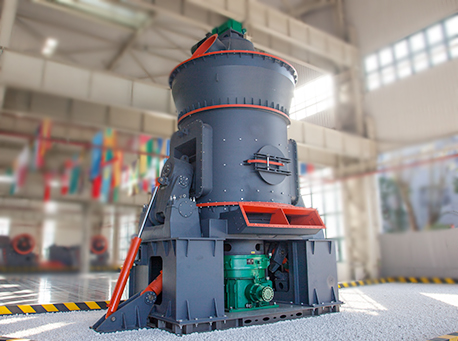
Standard dry process bauxite grinding workflow: raw ore crushing and screening → multi stage iron removal → silo buffering → metered feeding → grinding and compressing → air classification → finished product silo storage. Multi stage iron removal is mandatory to prevent ferrous impurities from degrading high temperature performance of refractory end products. Large refractory industrial parks and million ton bauxite powder bases prefer LM vertical roller mill. Integrating crushing, drying, grinding, classification and conveying in one unit, it only occupies 50 % floor area of traditional ball mill circuits and supports outdoor layout to cut civil construction investment significantly.
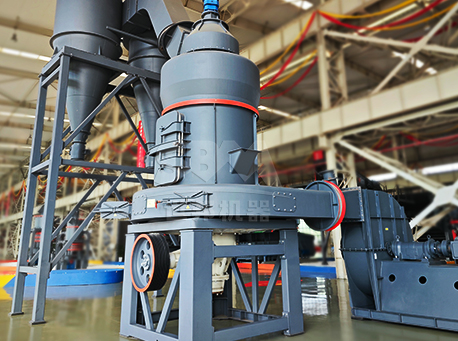
Custom high wear resistant alloy roller and table liners are available for LM vertical roller mill to withstand heavy abrasion from calcined bauxite. Rollers never make direct contact with grinding table, further lowering metal debris mixing into final powder. Accepting feed size 0‑55 mm, adjustable output fineness ranges 80‑400 mesh. Hot air inlet enables direct processing for bauxite with moisture up to 15 %, eliminating separate independent dryer. Fully sealed negative pressure system runs with low vibration and low noise. Pulse dust collector achieves zero dust leakage to satisfy environmental rules for refractory chemical zones. Equipped with expert automatic control system, it supports free switch between local and remote operation for non stop 24 hour production and reduced labor cost.
At project preliminary phase, raw bauxite ore and calcined clinker must be distinguished due to huge hardness gap, which calls for totally different wear part configuration. Many projects copy general non metallic mineral grinding setup and face rapid component wear and unqualified powder quality after commissioning.
If you are planning a calcined bauxite grinding line, please leave your message or click business consultation. Submit raw material type, feed size, target capacity and required mesh. SBM technical engineers will match wear resistant upgrade solution and deliver full set production line configuration plus budget for free.
Summary: This article describes key challenges of calcined bauxite grinding. It introduces wear resistance, drying and automation advantages of LM vertical roller mill and provides selection reference for large scale refractory powder projects.
FAQ
Q1: What is the main difficulty for calcined bauxite grinding?
A: Calcined bauxite has high hardness and strong abrasion. High grade wear resistant grinding components and multi stage iron removal are compulsory for impurity control.
Q2: Can LM vertical roller mill process moist bauxite directly?
A: Yes. Built in hot air drying allows feeding bauxite with moisture ≤15 %, realizing drying and grinding in one pass.
Q3: What scale bauxite projects fit LM vertical roller mill?
A: It targets large refractory industrial parks and high capacity continuous production lines. Evaluate alternative models for small and medium size projects.