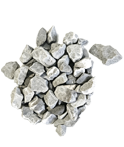
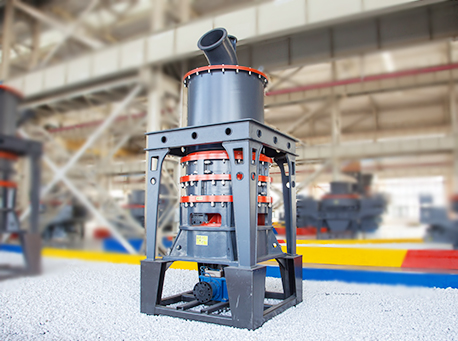
Abstract: Phosphate rock becomes raw material for phosphate fertilizer and phosphorus chemical industries after crushing grinding and classification. SBM MTW European mill has high capacity and stable operation and is suitable for processing phosphate rock of different grades.
Phosphate rock is a key raw material for phosphate fertilizer compound fertilizer phosphoric acid and phosphorus chemical industries. After crushing grinding and classification phosphate rock becomes phosphate powder which is used for acidolysis calcination and subsequent chemical processing. Phosphate rock varies greatly in hardness grade silicon calcium magnesium content and moisture. The grinding process requires adjustment of grinding pressure air volume and classification parameters according to ore properties to ensure output fineness and stability.
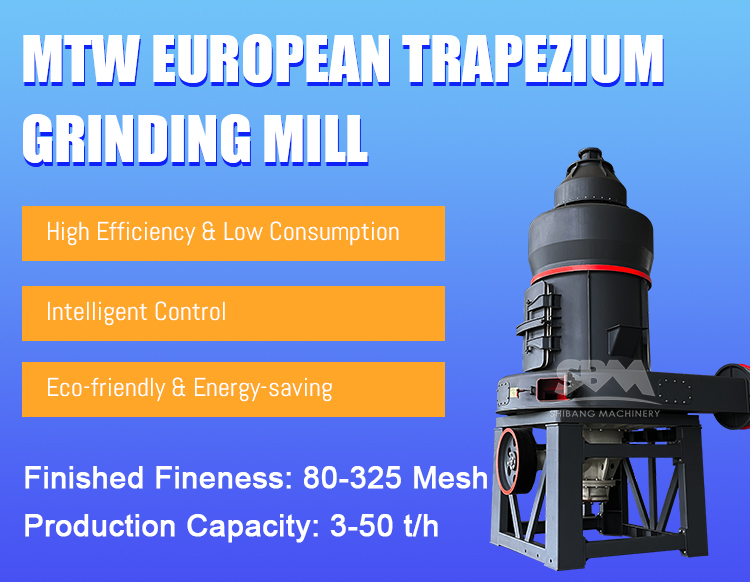
Traditional phosphate rock grinding equipment with poor adaptability may experience output fluctuation unstable fineness and frequent maintenance. To meet phosphate rock grinding requirements SBM has developed the MTW European mill. Full product details are available at
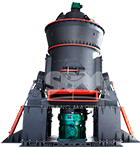
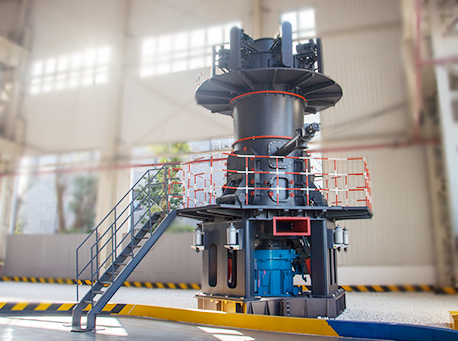
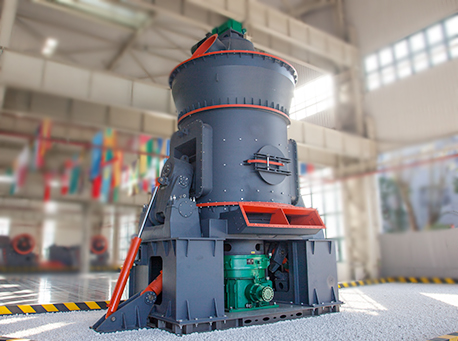
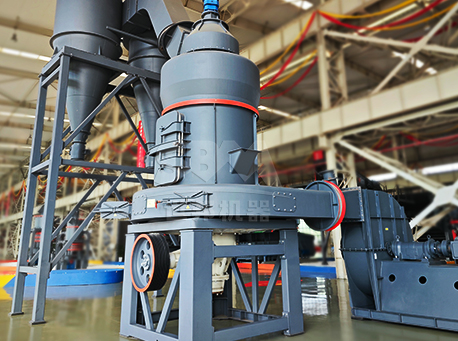
MTW Series European Trapezium Grinding Mill. The MTW European mill adopts a mature grinding roller and ring structure with adjustable grinding pressure adapting to phosphate rock of different hardness and grades. It has high processing capacity and stable operation suitable for continuous production in phosphate fertilizer plants and phosphorus chemical enterprises.
The grinding rollers and rings of the MTW mill are made of wear resistant materials reducing wear caused by long term grinding of phosphate rock. The classification system can flexibly adjust finished fineness to meet different process requirements of phosphate fertilizer and phosphorus chemical industries. The system operates under negative pressure with pulse dust collectors resulting in low dust emissions and a clean workshop environment. For phosphate rock with high moisture a hot air system can be configured to complete part of the drying inside the mill reducing investment in external drying equipment.
In actual projects SBM engineers first analyze phosphate rock properties such as P2O5 content MgO content SiO2 content hardness moisture and feed size. Then they determine equipment model grinding pressure air volume classifier speed and drying configuration. For wet process phosphoric acid fineness and reaction activity of phosphate powder are usually important. For thermal process phosphoric acid and calcination processes more attention may be paid to particle size composition and calcination performance.
Phosphate rock projects require relatively large investment. Customers usually focus on equipment capacity power consumption wear part life product fineness stability and process adaptability. If you are planning a phosphate powder production line and want to know equipment selection process flow and investment estimation please leave a message via business chat. Provide raw material indicators feed size target fineness and hourly output requirements and we will customize a phosphate rock grinding solution for you.
Conclusion: The MTW European mill has high capacity and stable operation. It is suitable for grinding phosphate rock of different grades can adjust fineness according to phosphate fertilizer and phosphorus chemical requirements and supports drying and dust removal systems.
FAQ
Q1: What types of phosphate rock can the MTW European mill process?
A1: It can process phosphate rock of various hardness and grades. The specific configuration should be determined based on P2O5 content hardness moisture and feed size.
Q2: How is phosphate powder fineness determined?
A2: It is mainly determined by the requirements of phosphate fertilizer phosphoric acid or phosphorus chemical processes. Different acidolysis and calcination processes have different fineness requirements.
Q3: Can SBM provide an overall solution for phosphate powder production lines?
A3: Yes. We can provide raw material analysis process design equipment selection grinding and classification configuration dust removal system and installation and commissioning services.