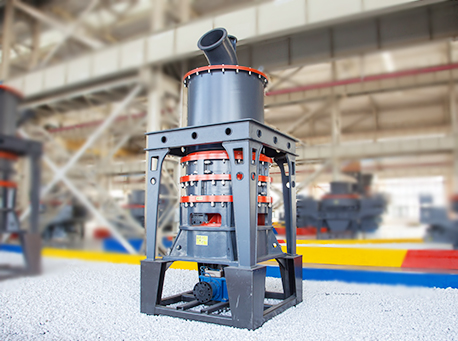
Abstract: Ground calcium carbonate becomes high grade industrial filler after crushing ultrafine grinding and classification. SBM LUM ultrafine vertical mill stably produces 800-2500 mesh GCC powder for plastic coating and paper filler industries.
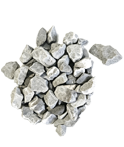
Ground calcium carbonate or GCC for short is a powder material made from carbonate minerals such as calcite marble and limestone through mechanical crushing grinding and classification. Because of its high whiteness high purity and low cost GCC is widely used as a filler in plastics coatings rubber paper adhesives and building products. Different industries have different requirements for GCC fineness whiteness particle size distribution and oil absorption. Traditional equipment is difficult to meet the requirements of high end fillers for both fineness and particle size distribution.
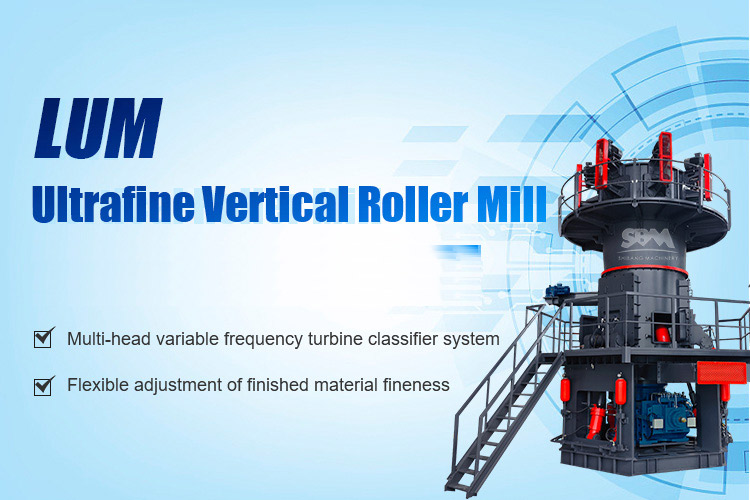
The core of GCC grinding is not only to obtain fine powder but also to ensure stable particle size distribution fewer coarse particles and uniform particle morphology. Traditional equipment tends to have high energy consumption and inflexible fineness adjustment when producing ultrafine GCC. To meet ultrafine GCC grinding requirements SBM has developed the LUM ultrafine vertical mill. Full product details are available at
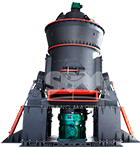
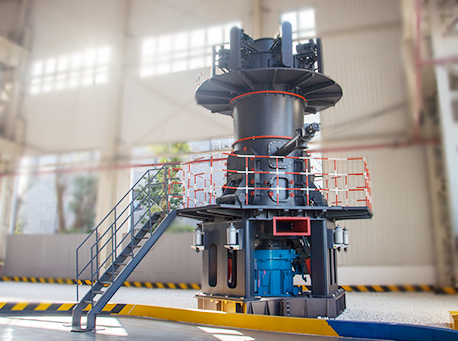
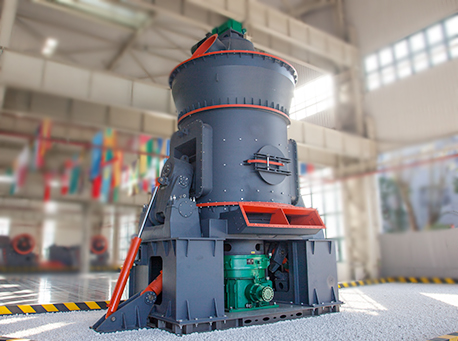
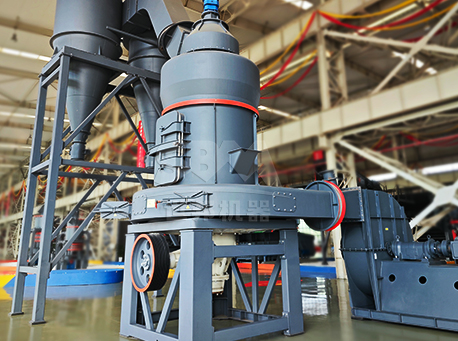
SBM LUM ultrafine vertical mill. The LUM mill adopts multi stage grinding and fine classification technology. Finished fineness can be adjusted between 800 and 2500 mesh meeting different requirements of ordinary fillers and high end fillers.
The LUM ultrafine vertical mill operates stably with high primary powder passing rate and low coarse particle residue. The roller sleeves and table liners are made of wear resistant materials maintaining stable grinding efficiency during long term operation. The equipment has a compact structure and occupies less space making it suitable for new construction and technical upgrade projects. The system operates under negative pressure with pulse dust collectors resulting in low dust emissions and a clean workshop environment. For raw materials requiring drying a hot air system can also be configured to reduce the influence of moisture on fineness and output.
In actual projects SBM engineers first analyze GCC raw material properties such as CaCO3 content whiteness hardness moisture feed size and target fineness. Then they determine equipment model grinding pressure air volume classifier speed and whether drying configuration is needed. For plastic fillers fineness and dispersibility are usually important. For coating fillers more attention is paid to particle size distribution oil absorption and whiteness stability.
The GCC powder market is highly competitive. Project profitability depends on output power consumption fineness stability and product specification flexibility. If you are planning an ultrafine GCC production line and want to know equipment selection process flow and investment estimation please leave a message via business chat. Provide raw material indicators target fineness hourly output and downstream application and we will customize a GCC grinding solution for you.
Conclusion: The LUM ultrafine vertical mill is suitable for ultrafine GCC grinding. It stably produces 800-2500 mesh GCC powder with controllable particle size and negative pressure environmental protection for plastic coating rubber and paper filler industries.
FAQ
Q1: What fineness range can the LUM ultrafine vertical mill achieve for GCC?
A1: It can be adjusted between 800 and 2500 mesh. The specific fineness should be determined according to downstream industry requirements and product standards.
Q2: What industries use GCC powder?
A2: It is mainly used in plastics coatings rubber paper adhesives building products and environmental materials.
Q3: Can SBM provide an overall solution for GCC powder production lines?
A3: Yes. We can provide process design equipment selection ultrafine grinding and classification configuration dust removal system and installation and commissioning services.