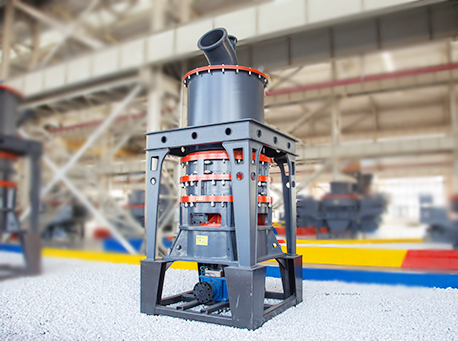
Abstract: Quicklime is hygroscopic and easy to hydrate during grinding. This content covers workflow, equipment performance and common pitfalls when building quicklime powder production facilities.
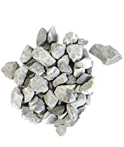
Quicklime, or calcium oxide, is a high-activity alkaline raw material widely consumed in modern industry. Ground quicklime powder is essential for wastewater pH adjustment, metallurgical slagging agent, flue gas desulfurization and chemical synthesis. Block calcined quicklime cannot be directly applied. It must go through crushing, feeding, grinding and classification to obtain qualified fine powder. The mainstream industrial fineness ranges from 200 mesh to 325 mesh.
Quicklime brings special challenges for grinding operations. It absorbs moisture from air and will hydrate into calcium hydroxide once water exists inside the system. Material caking, blockage and poor powder fluidity often happen if drying and sealing measures are insufficient. Operators need to strictly control raw material moisture and keep the whole grinding circuit under sealed negative pressure.
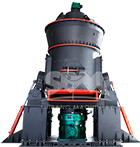
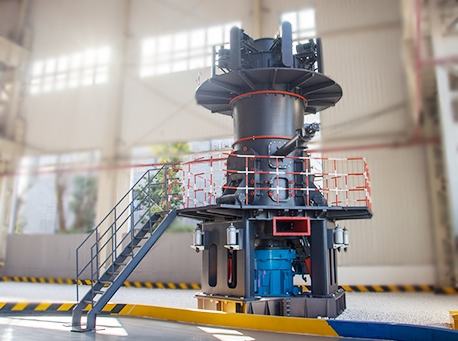
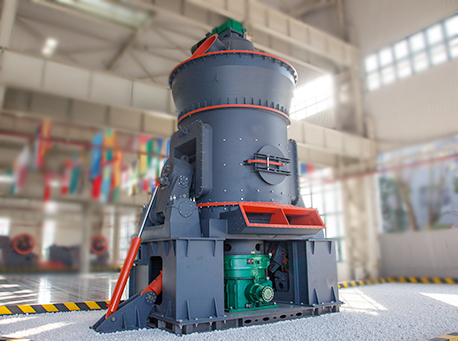
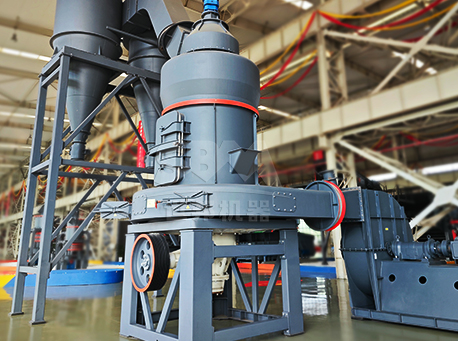
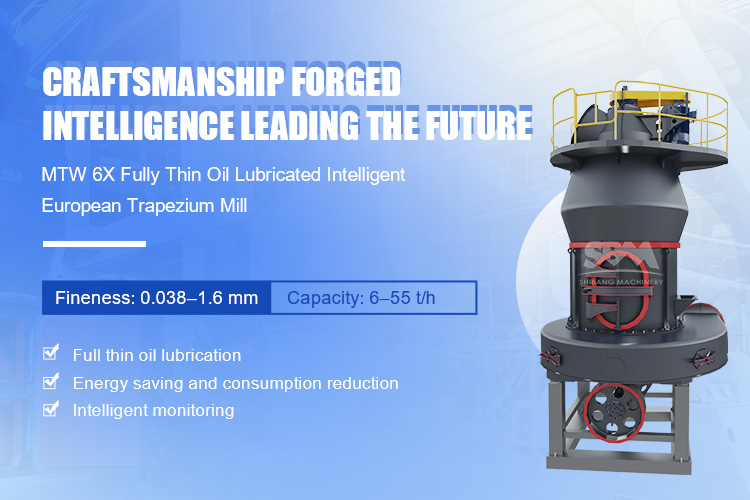
The standard quicklime grinding workflow includes primary crushing, elevator conveying, silo storage, quantitative feeding, pulverizing, air classification and finished product collection. For medium-size quicklime powder projects, MTW6X Intelligent European Trapezium Mill becomes a reliable host option. It adopts full thin-oil lubrication for main engine and grinding rollers, lowering bearing heat generation and supporting long continuous running. Multi-point condition monitoring sensors track temperature, vibration and load, and send early-warning signals for abnormal status. Built-in IoT module supports mobile APP remote monitoring, reducing manual onsite workload.
This mill accepts feed material up to 50 mm. Finished powder can be flexibly adjusted between 80-400 mesh, fully matching quicklime powder requirements for desulfurization and metallurgy. When cooperating with pulse dust collector, the complete production line achieves zero dust leakage and meets global environmental emission standards. SBM can configure matched hot-air auxiliary drying module for raw quicklime with relatively high moisture.
Many new project owners only compare equipment purchase price but ignore material characteristics of quicklime. Improper model selection will cause frequent blockage, high wear-part consumption and unstable powder quality. Every project should evaluate feed size, moisture content, target hourly output and local environmental rules before finalizing layout.
If you plan to invest in a quicklime grinding plant, please leave your message on this page or click business consultation button. Submit information including raw material condition, required capacity and target mesh. Our technical engineers will work out a custom-tailored production-line solution for you.
Summary: This article introduces quicklime industrial applications and key processing notes. It explains MTW6X mill advantages for quicklime grinding and shares practical configuration advice for new investors.
FAQ
Q1: What mesh size is most used for industrial quicklime powder?
A: Most desulfurization and metallurgy projects adopt 200-325 mesh finished quicklime powder.
Q2: Why is sealing so important for quicklime grinding?
A: Quicklime is hygroscopic. Air moisture will trigger hydration, cause caking and ruin final powder quality.
Q3: Can MTW6X mill handle quicklime with relatively high moisture?
A: It can work with auxiliary hot-air drying unit. High-moisture raw material cannot be fed directly without drying treatment.