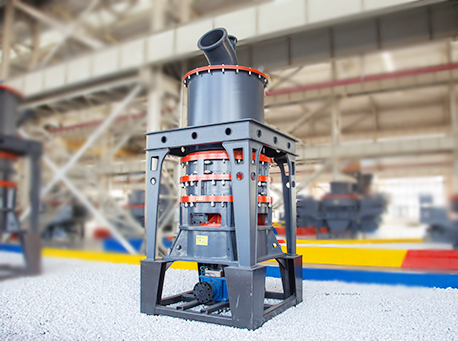
Abstract: High-end GCC powder requires narrow particle size distribution and stable whiteness. This paper presents grinding workflow, LUM mill multi-rotor classifier advantages and ultrafine powder project selection advice.
Ground Calcium Carbonate (GCC), processed by direct physical grinding of calcite or marble ore, is one of the most consumed inorganic fillers in modern industry. Ordinary building material grade GCC powder uses 200-400 mesh fineness, while high-value-added ultrafine GCC for plastic, coating and paper making needs fineness from 800 mesh up to 2500 mesh. High-end ultrafine GCC product has strict requirements for whiteness, impurity content and narrow particle size distribution. Ordinary grinding equipment cannot satisfy these strict indexes.
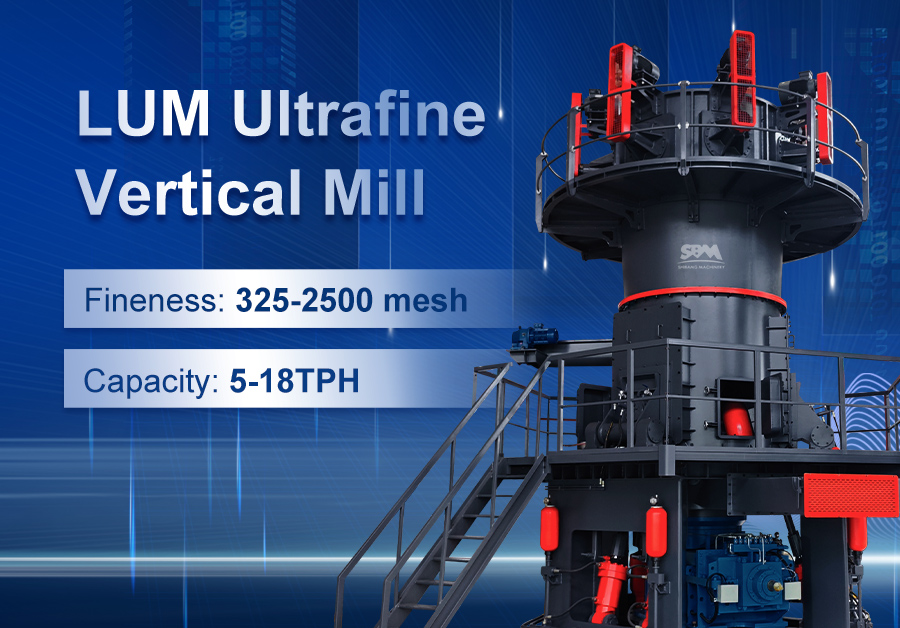
Ultrafine GCC grinding workflow includes ore crushing, screening impurity removal, elevator conveying, silo storage, screw feeding, ultrafine grinding, high-precision air classification and finished powder collection packaging. Classification performance largely decides commercial value of final GCC powder. Bad classification will produce wide-range particle size distribution and make products unable to enter high-end filler market.
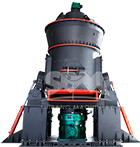
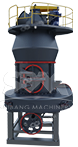
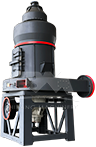
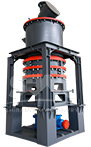
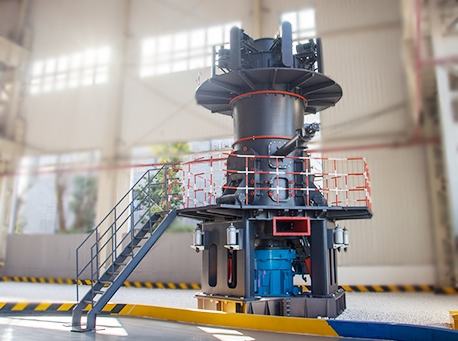
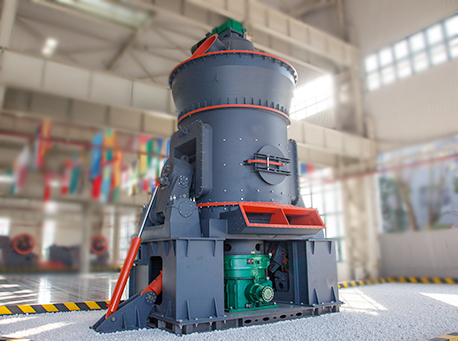
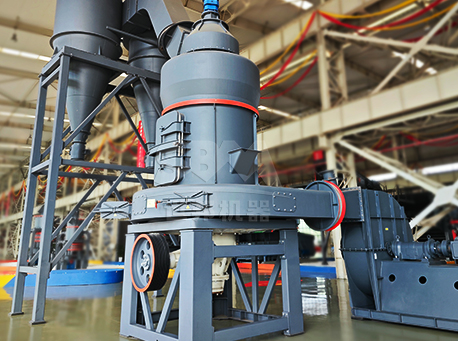
For enterprises targeting high-end ultrafine GCC filler market, LUM Ultrafine Vertical Mill is professional ultrafine grinding host machine. It draws advanced overseas roller grinding and multi-rotor powder classifier technology. Unique roller-shell and lining-plate grinding-curve design helps form stable material bed and improves ultrafine grinding efficiency. Multi-rotor classifier can customize finished powder fineness within 325-2500 mesh scope, effectively avoid coarse powder mixing inside finished goods.
PLC-DCS automatic control system precisely adjusts grinding pressure, grinding disc rotating speed and classifier rotating speed, supports remote monitoring and unattended stable running. The mill whole set adopts fully sealed negative-pressure circulation design, with low vibration and low-noise performance. Matched pulse dust collector achieves zero dust leakage and meets environmental protection standards. Iron removal setup can be configured to lower iron impurity and protect finished GCC powder whiteness.
Many new investors only focus on equipment output number but ignore classifier precision and ore quality matching. After plant commissioning, they find particle size distribution fails high-end filler requirement and product selling price cannot reach expectation. Ore quality, target fineness and downstream application industry should be clarified at project preliminary communication.
If you plan to invest ultrafine ground calcium carbonate powder production line for coating, plastic or paper making filler, please fill in project information through page message or business consultation. Submit ore type, feed size, target capacity and finished powder mesh requirement. SBM technical team will provide complete ultrafine GCC grinding line technical proposal for you.
Summary : This article introduces high-end filler market demand of ultrafine GCC powder. It explains LUM ultrafine vertical mill strengths and quality-control points for whiteness and particle size distribution.
FAQ
Q1: What fineness range can LUM ultrafine vertical mill reach for GCC?
A: LUM ultrafine vertical mill can freely adjust finished GCC powder fineness from 325 mesh to 2500 mesh.
Q2: What core advantage does multi-rotor classifier bring for ultrafine GCC?
A: It realizes precise particle size cutting, reduces coarse powder residue and gets narrow particle size distribution ultrafine powder.
Q3: Does ore quality alone decide GCC powder whiteness?
A: Ore quality is fundamental. Iron removal process and mill internal material selection also influence final powder whiteness.