Abstract: Phosphate rock powder particle size influences acid leaching conversion rate of phosphate fertilizer. This content describes grinding workflow, MTW6X mill performance and ore moisture handling notes.
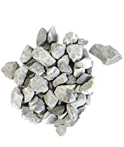
Phosphate rock serves as core raw material for phosphate fertilizer and phosphorus chemical industry. After crushing and grinding, phosphate rock powder enters subsequent acid leaching reaction procedure for phosphate fertilizer manufacturing. Domestic phosphate rock ore owns medium-to-high Mohs hardness and shows certain abrasiveness. The mainstream finished powder fineness for fertilizer making is 200-325 mesh. Powder particle size uniformity will directly affect chemical reaction conversion efficiency of phosphate fertilizer production. Uneven granularity will reduce fertilizer yield and increase production cost.
Standard phosphate rock grinding workflow includes primary and secondary crushing, screening impurity removal, elevator conveying, silo storage, metering feeding, grinding, air classification and phosphate rock powder stockpiling. Ore moisture condition deserves attention. High-moisture phosphate rock will cause mill internal sticking and blockage without proper drying measure. Wear-resistant requirement for grinding roller and ring should not be ignored because of ore abrasiveness.
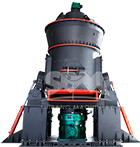
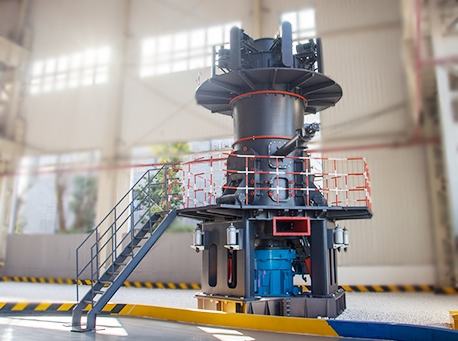
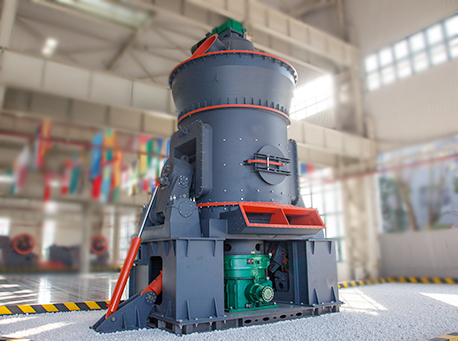
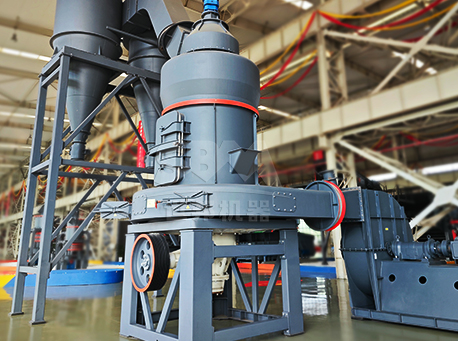
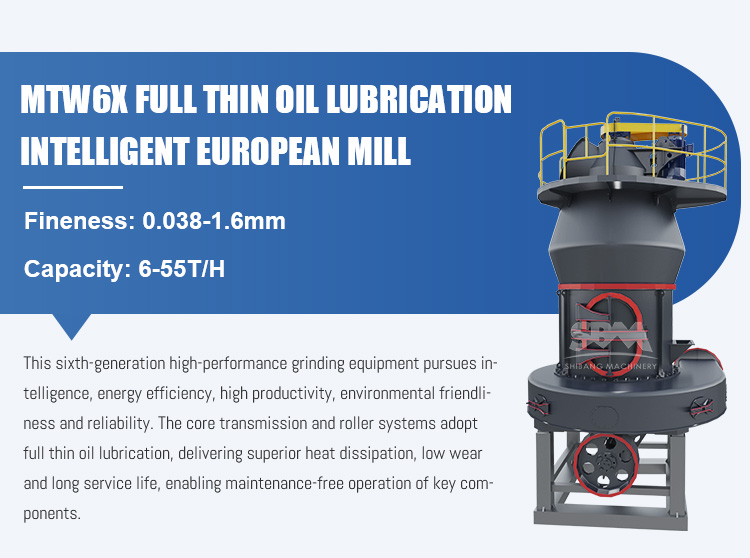
For medium and small-size mineral processing plant and phosphate fertilizer factory, MTW6X Intelligent European Trapezium Mill fits phosphate rock powder making working condition well. It inherits mature trapezium mill structure and upgrades to full thin-oil lubrication for main engine and grinding rollers. Bearing heat generation drops obviously and supports long-time non-stop continuous operation. Multi-point sensors collect vibration, temperature and load data in real time and send abnormal early-warning signal, lowering unexpected shutdown loss. IoT-based intelligent control supports mobile APP remote monitoring function.
Feed material can reach 50 mm maximum size. Finished powder can be adjusted between 80-400 mesh, fully matching 200-325 mesh phosphate fertilizer raw material powder requirement. The whole grinding circuit adopts negative-pressure sealed design, equipped with pulse dust collector to control phosphate rock dust overflow and satisfy chemical plant environmental protection regulation. SBM can do wear-part upgrade for abrasive phosphate rock working condition upon client demand.
Some project investors simply copy limestone grinding line configuration for phosphate rock without considering ore abrasiveness. Vulnerable parts wear speed becomes fast and operating cost rises after production goes live. Ore hardness, moisture, feed size and fertilizer process powder index should be fully investigated in early-stage design phase.
If you are building phosphate rock grinding supporting phosphate fertilizer production facility, please submit ore parameters, target capacity and required powder mesh via page message or business consultation button. SBM engineers will evaluate ore abrasion and provide complete phosphate rock grinding production-line configuration for your phosphorus chemical project.
Summary: This article introduces phosphate rock’s phosphate fertilizer raw material role and its moderate abrasiveness. It presents MTW6X mill features and key points for fertilizer raw material grinding plant construction.
FAQ
Q1: What mesh size phosphate rock powder is commonly used for phosphate fertilizer?
A: Most phosphate fertilizer acid leaching processes adopt 200-325 mesh phosphate rock powder.
Q2: Can high-moisture phosphate rock directly feed MTW6X mill?
A: No. High-moisture ore needs drying pretreatment to avoid sticking blocking inside grinding chamber.
Q3: Does phosphate rock grinding need enhanced wear-resistant accessories?
A: Yes. Phosphate rock is abrasive, so higher-wear-grade roller and ring accessories are recommended.