Since 2025, the phosphorus chemical industry has maintained a high prosperity level alongside the continuously strengthened resource attributes of phosphate rock. Nevertheless, the sector faces severe practical challenges: high-grade phosphate ore is gradually depleting, while the proportion of low-grade and high-impurity ore keeps rising. As an irreplaceable non-renewable strategic mineral resource, phosphate rock serves as a critical raw material for food security guarantee and new energy industry development. Currently, phosphate producers are confronted with three major technical bottlenecks, which also constitute the core breakthrough points for industrial quality improvement and efficiency enhancement:
1. Resource side: High-grade phosphate ore is scarce with high mining costs. Low-grade and high-impurity phosphate ore features extremely low utilization rate, resulting in severe raw material waste.
2. Production side: Conventional processing techniques suffer from high energy consumption, heavy equipment abrasion and insufficient production capacity, keeping production costs persistently high.
3. Environmental side: Severe dust pollution fails to meet increasingly stringent environmental regulations, restricting new capacity construction and project commissioning.
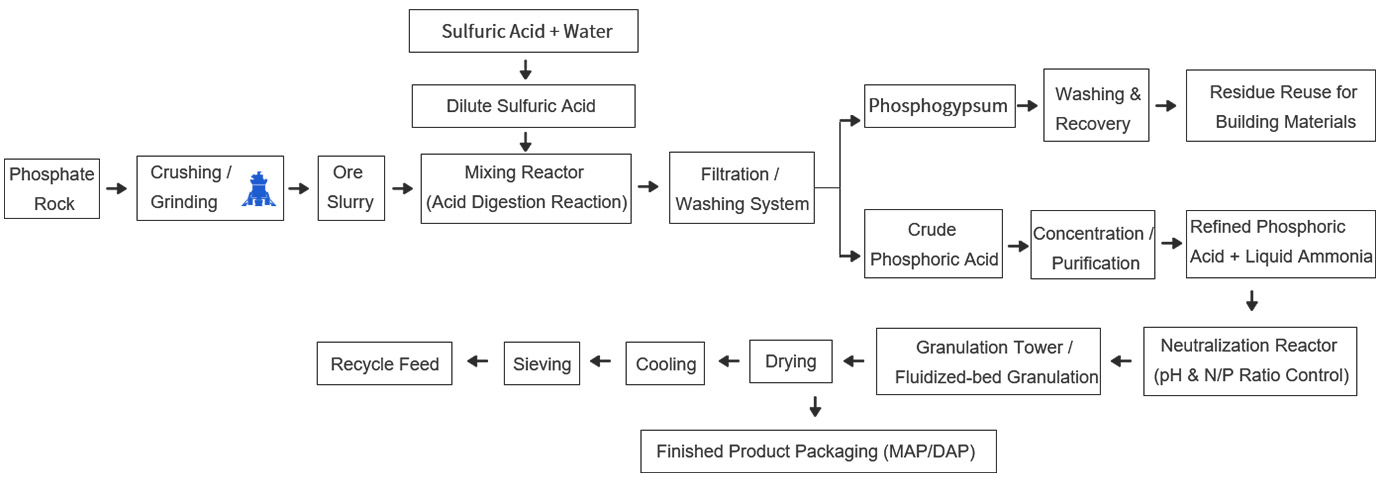
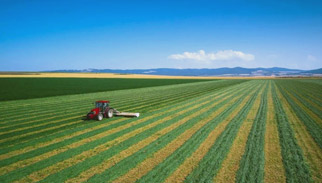
Currently, around 60% of global phosphate rock demand goes to phosphate fertilizer manufacturing. As one of the three essential nutrients for crop growth, phosphate fertilizers are mainly produced via two core processes: the wet-process (acid method) and the thermal process, with specific procedures varying by raw materials and finished products:
The dominant global technology for high-concentration phosphate fertilizer production featuring favorable cost efficiency and suitability for large-scale continuous production. In principle, ground phosphate rock is digested with sulfuric acid to extract phosphoric acid, which undergoes subsequent neutralization, concentration and granulation to produce Monoammonium Phosphate (MAP), Diammonium Phosphate (DAP), Single Superphosphate (SSP) and Triple Superphosphate (TSP).
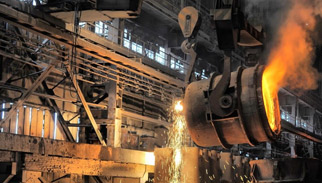
Yellow phosphorus is obtained via electric furnace reduction of phosphate ore, followed by combustion and hydration to yield high-purity phosphoric acid. This process delivers superior product purity for electronic-grade and food-grade phosphoric acid, which can be further processed into high-purity phosphate fertilizers and fine phosphate chemicals.
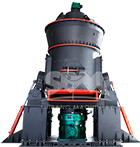
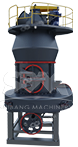
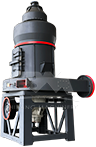
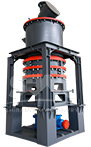
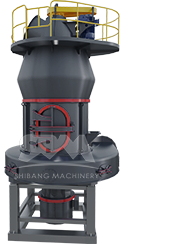
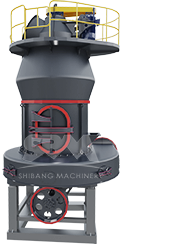
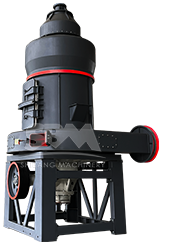
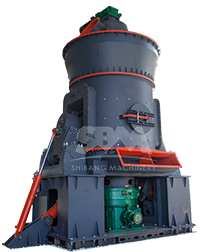
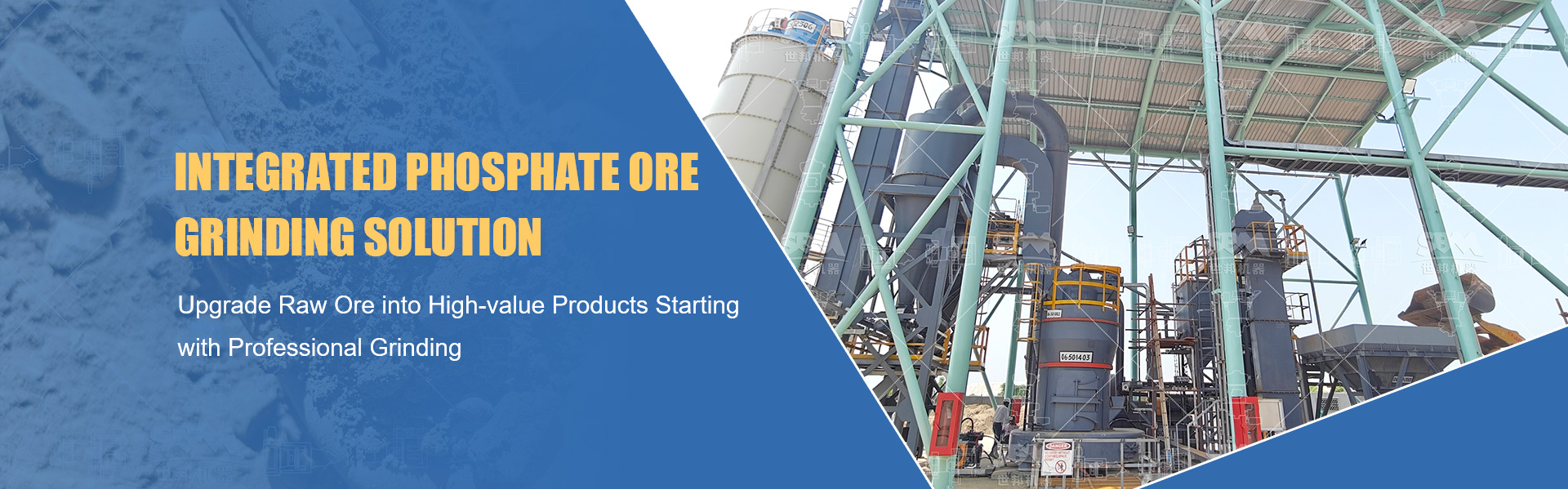
Phosphate ore grinding serves as the core pre-process of wet-process phosphate fertilizer production lines, directly determining the reactive contact area of feedstock, chemical conversion rate, finished product grade and overall energy consumption. Based on industrial practical demands, SBM supplies four flagship grinding machines to deliver well-matched integrated solutions. Integrating high-efficiency pulverization, low-carbon energy conservation, intelligent control and eco-friendly performance, our equipment underpins quality improvement and cost reduction for phosphate fertilizer manufacturing.
Adopts direct-coupled permanent magnet direct-drive motor featuring high-efficiency transmission, powerful output and stable operation. It cuts power consumption by 20%–30% versus conventional asynchronous motors and is ideal for fine grinding of phosphate rock.
It is the 6th-generation intelligent grinding machine characterized by superior intelligence, energy efficiency, high productivity, environmental friendliness and reliable performance. All key components adopt full thin oil lubrication for excellent heat dissipation, low abrasion and extended service life, enabling maintenance without production shutdown.
Curved shovels expand grinding area; integrated bevel gear drive delivers compact layout, small footprint and lower investment cost. Optimized sealing ensures dust emission meets environmental standards, well suited for new construction or technical renovation of small & medium-sized phosphate fertilizer plants.
It integrates crushing, drying, grinding, classification and conveying in one unit with compact layout. Adjustable fineness ranging from 80 to 400 mesh satisfies ultrafine powder requirements for high-concentration phosphate fertilizer and new-energy phosphorus raw materials.
At present, the phosphate ore industrial chain runs through agriculture, chemical industry, new energy, high-end manufacturing and other vital sectors. While its application value keeps expanding toward high value-added fields, safeguarding agricultural production remains its core foundation.


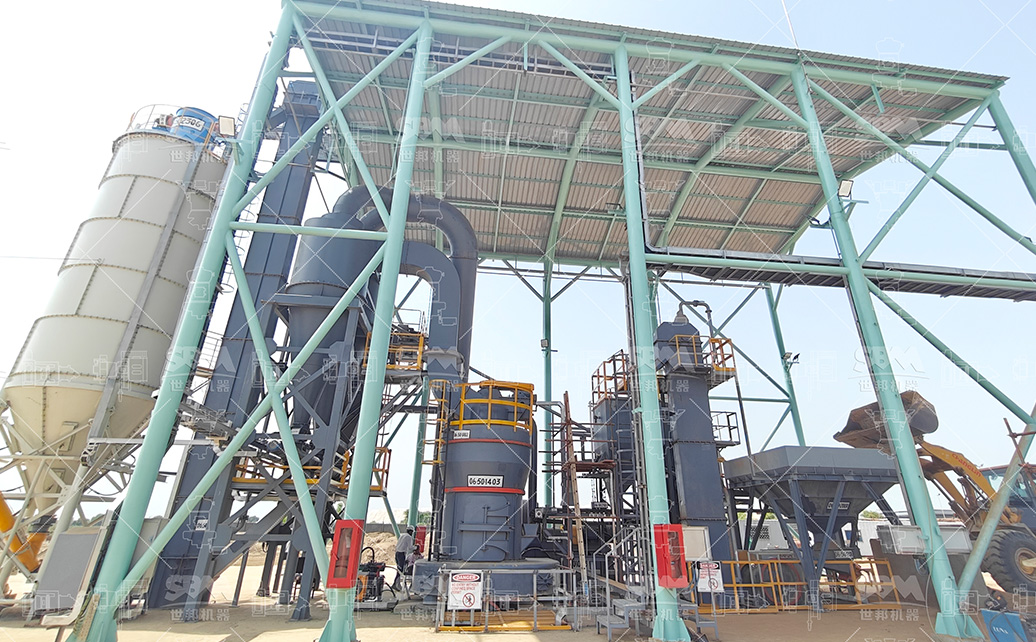
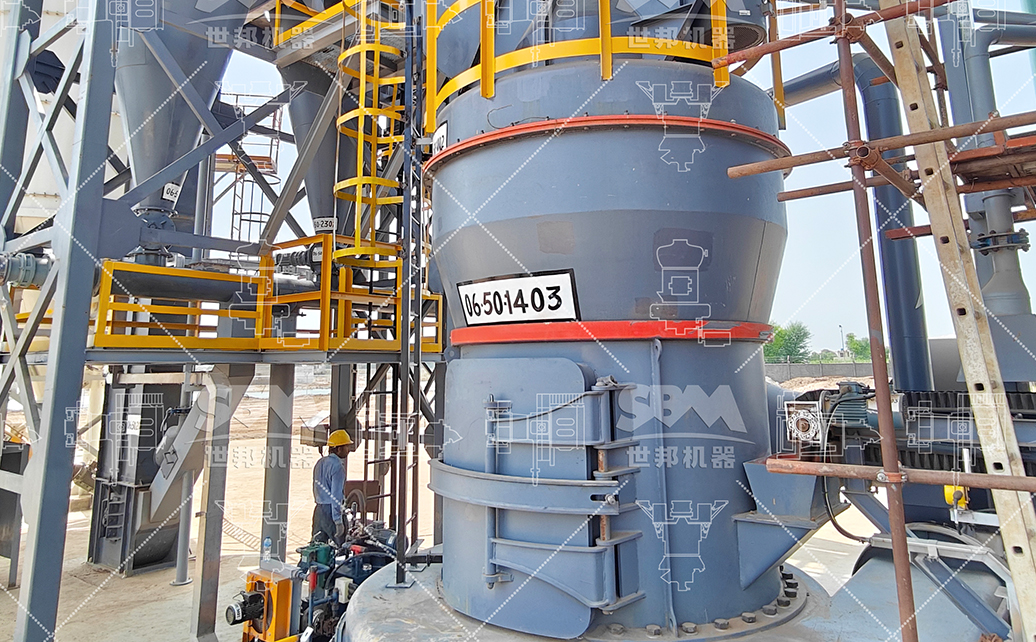
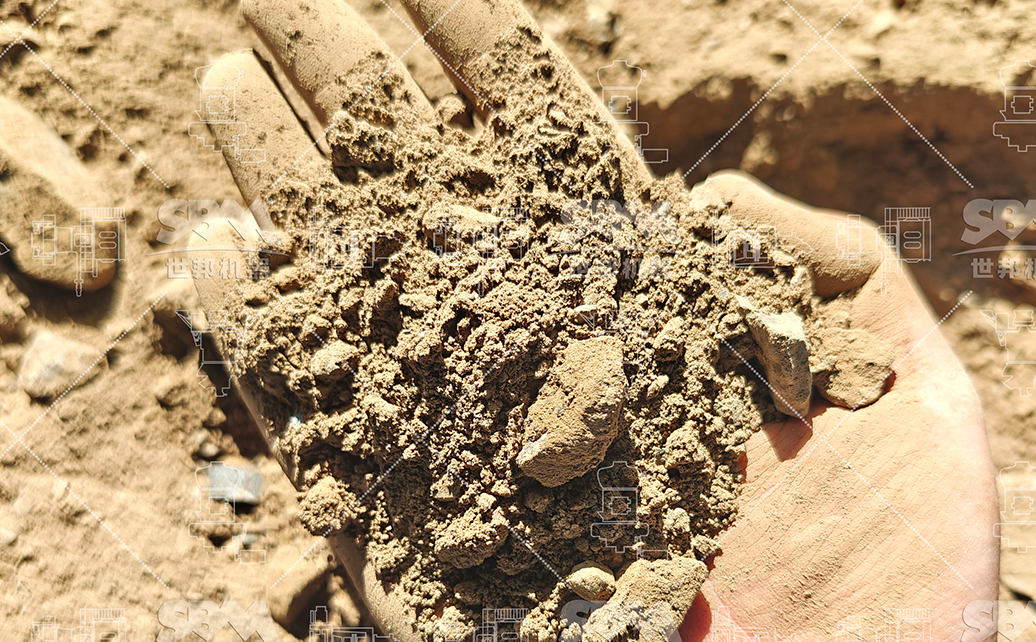
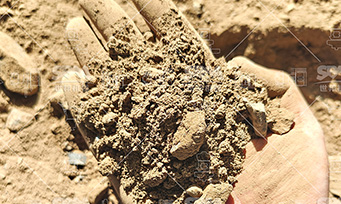
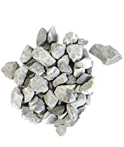
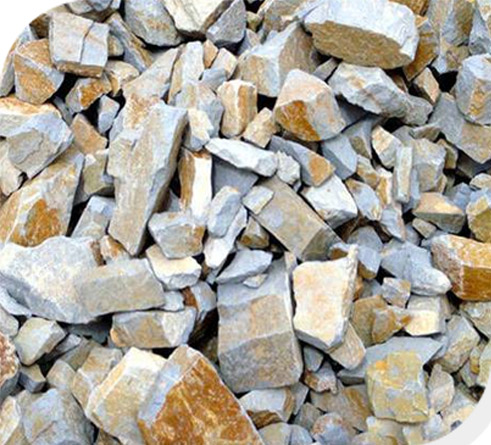
Raw Material: Phosphate RockFineness: 100 MeshApplication: Fertilizer Production
Experienced technical team together with powder grinding process center keeps upgrading phosphate ore grinding solutions.
Large intelligent manufacturing base covering 160㎡ ensures rigorous quality control and stable equipment performance
Production lines deployed worldwide with abundant practical experience in large-scale phosphate grinding projects
Globally distributed service outlets enable prompt response to all customer requirements