What Are Non-Metallic Minerals?
Non-metallic minerals refer to non-metallic elements with economic utilization value, which are mineral resources that can be directly developed and utilized by virtue of the chemical properties, physical attributes and technological performance of minerals and rocks.
There are 88 types of non-metallic minerals with proven reserves in China, covering multiple categories such as native elements, oxides, halides and oxy-salts, forming a resource system with complete varieties and comprehensive supporting capabilities. From common limestone and gypsum to high-end quartz and graphite required in advanced fields, all of them have the potential for large-scale development.
Bentonite
Kaolin
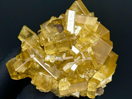
Barite
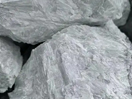
Wollastonite

Graphite
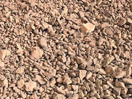
Bauxite

Gypsum
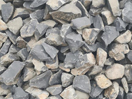
Basalt
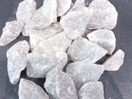
Quartz
Common Non-Metallic Minerals
Due to the diversity of their genesis, complexity of chemical composition and overlapping nature of applications, the classification system of non-metallic minerals presents multi-dimensional characteristics. At present, classification is mainly carried out in accordance with three core principles: geological genesis, product value and industrial application.
 01
01
Halite, Mirabilite, Trona, Alunite, Native Sulfur, Apatite, Barite, Celestite, Fluorite, etc.
 02
02
Iceland Spar, Optical Gypsum, Calcite, Rock Crystal, Optical Quartz, Optical Fluorite, etc.
 03
03
Graphite, Mica, Quartz, Rock Crystal, Tourmaline, Rutile, etc.
 04
04
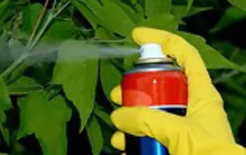
Apatite, Potash Salt, Potassium Feldspar, Mirabilite, Gypsum, Kaolin, Dickite, Bentonite, etc.
 05
05
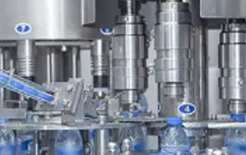
Zeolite, Kaolin, Diatomite, Sepiolite, Attapulgite, Dickite, Bentonite, Saponite, Perlite, etc.
 06
06
Asbestos, Quartz, Graphite, Vermiculite, Diatomite, Sepiolite, Perlite, Basalt, Diabase, etc.
 07
07
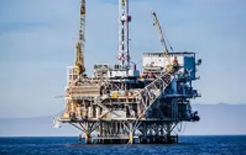
Barite, Kaolin, Bentonite, Attapulgite, Sepiolite, Montmorillonite, Quartz Sand
 08
08
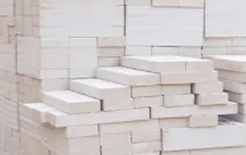
Asbestos, Quartz, Granite, Marble, Quartz Stone, Limestone, Diatomite, Sandstone, Clay, etc.
 09
09
Kaolin, Wollastonite, Talc, Quartz, Feldspar, Andalusite, Kyanite, Sillimanite, Pyrophyllite, Tourmaline, etc.
 10
10
Calcite, Marble, Chalk, Talc, Pyrophyllite, Graphite, Kaolin, Mica, Wollastonite, Bentonite, Saponite, Sepiolite, etc.
With the global industrial upgrading, the application of non-metallic minerals has shifted from extensive raw material supply to refined material services, where fine grinding and deep processing has become the core link to unlock their value potential. This process confers specific particle size distribution, purity grade and functional characteristics on mineral powders through crushing, grinding, classification and other processing technologies, so as to meet the stringent requirements of high-end manufacturing, green building materials, new energy and other fields.
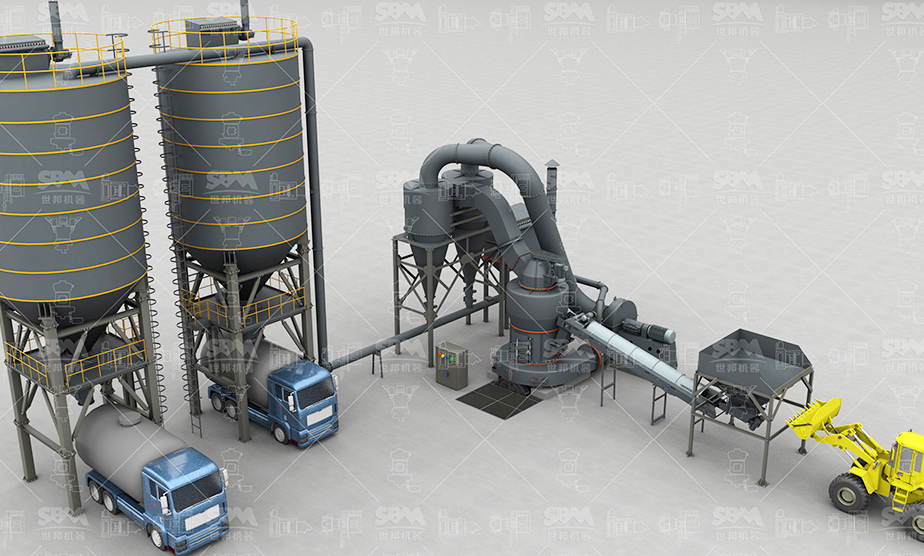
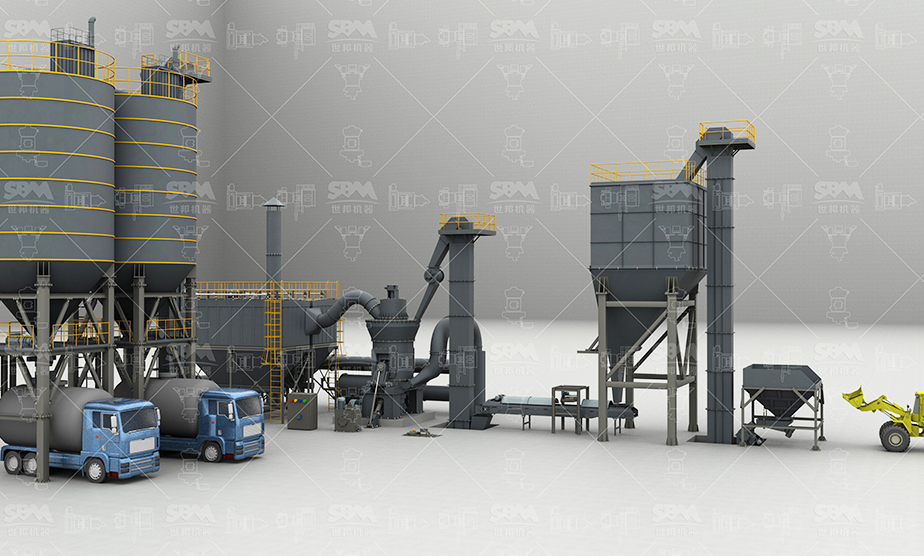
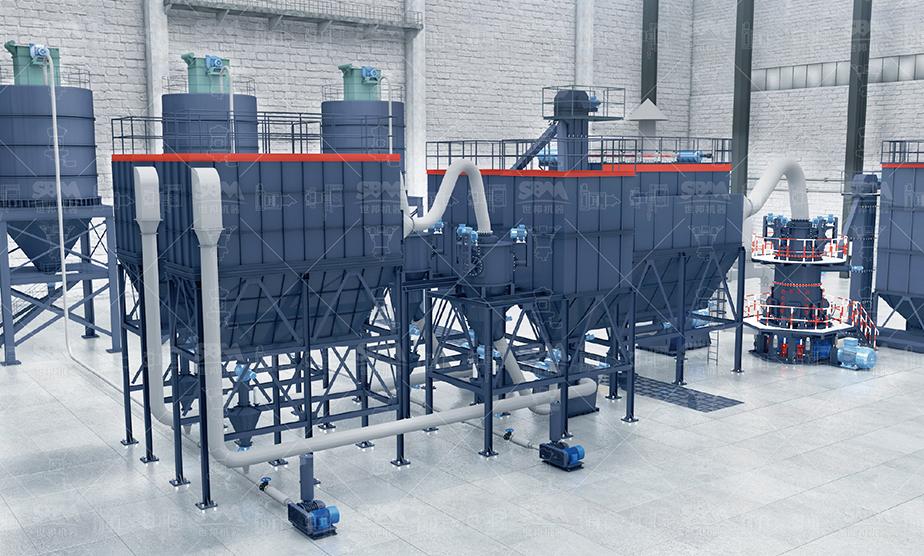
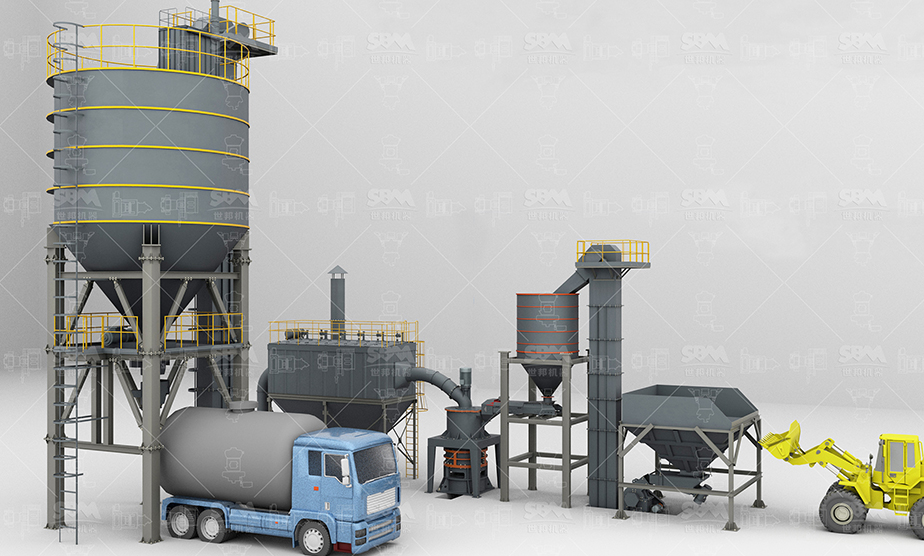
The functional performance of non-metallic minerals is highly dependent on powder particle size, distribution and morphology, which directly affect their core indicators such as specific surface area, chemical reactivity and filling properties.
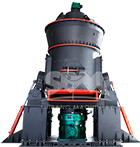
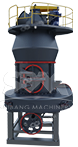
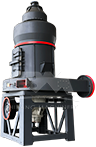
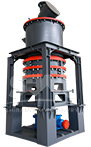
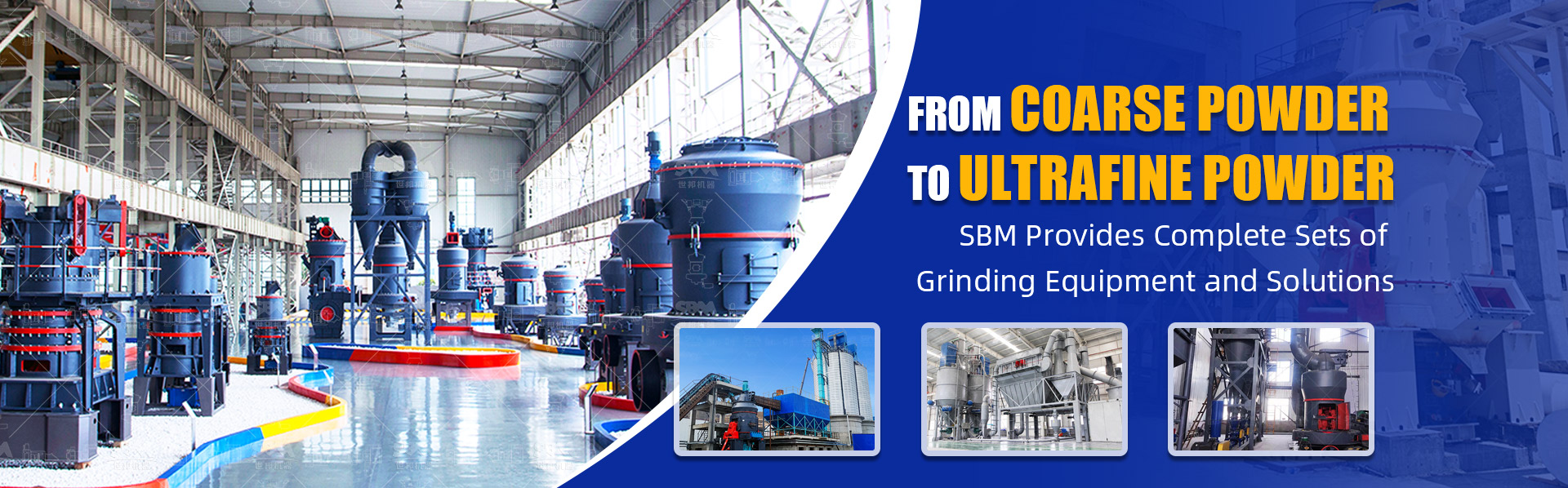
As a world-leading supplier of grinding equipment, SBM leverages over 30 years of technical expertise. Tailored to the deep processing requirements of non-metallic minerals, we have launched a diverse range of high-efficiency, intelligent and eco-friendly grinding mills. Moreover, drawing on our extensive application experience, we provide full-process solutions covering everything from process design to equipment selection.


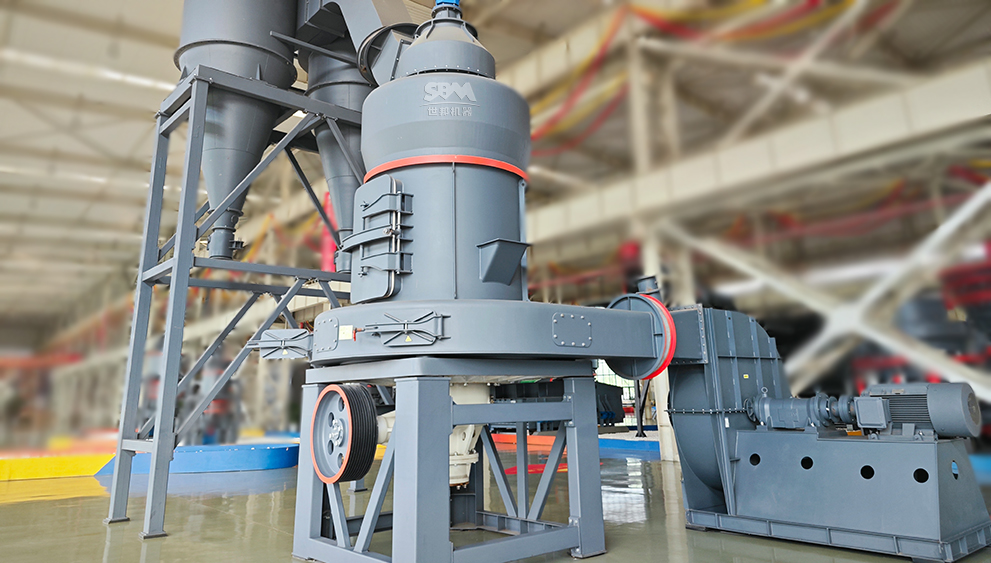
Technical Advantages:
The curved shovel design expands the grinding area, and the adoption of a resistance-free air inlet volute design reduces energy consumption, achieving an energy-saving effect.
The high-efficiency cage classifier enables flexible adjustment of fineness ranging from 80 to 325 mesh, effectively avoiding the "coarse powder escaping" phenomenon and ensuring stable and reliable quality of finished products.
The thin oil lubrication system extends bearing service life, ensures smooth operation, and reduces maintenance costs.
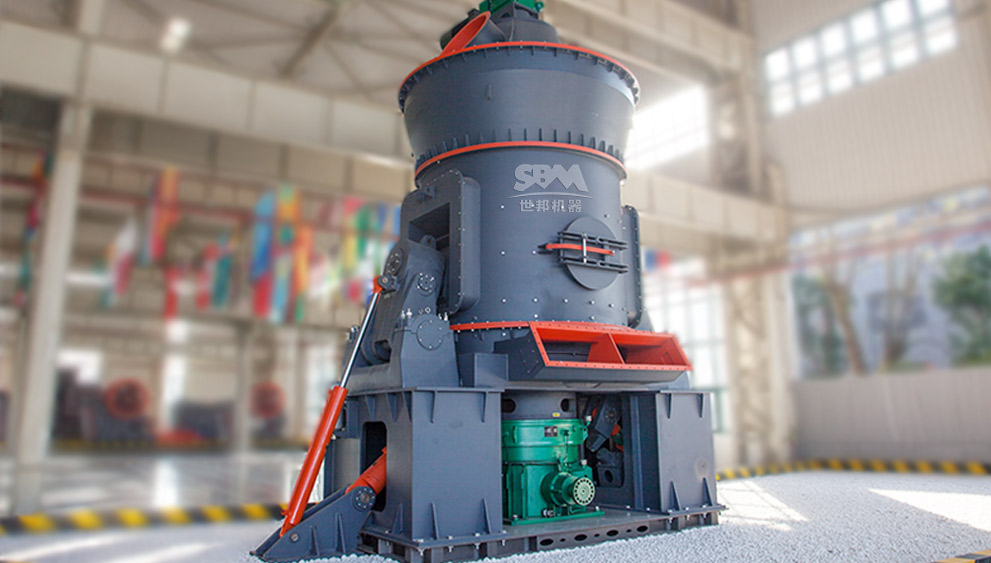
Technical Advantages:
Integrating five core functions—crushing, grinding, classification, drying and conveying—in one unit, it occupies a small floor area while delivering high efficiency, energy conservation and environmental friendliness.
The fully sealed negative-pressure operation ensures low equipment vibration, which complies with the environmental protection requirements of modern industrial production.
It can effectively control the particle size and purity of finished products to meet the requirements of high-quality production.
The automated control system enables flexible operation, reducing labor costs and operational difficulty.
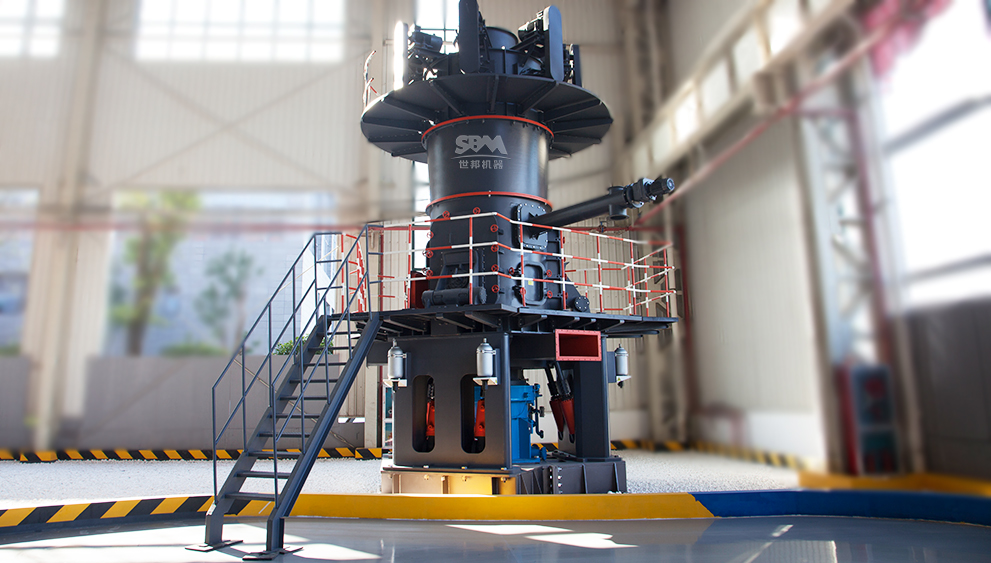
Technical Advantages:
The uniquely designed grinding curves of the roller sleeves and liners, coupled with a special pre-compaction device and the bed grinding principle, ensure high grinding efficiency and superior quality of finished products.
Adopting ultrafine grinding technology, multi-head classification, and an intelligent control system, it features advanced classification technology and achieves high efficiency and energy conservation.
The grinding rollers do not make direct contact with the grinding disc. Made of high-quality materials, the rollers can be flipped out of the housing for maintenance.
The fully sealed structure ensures that dust emission is far lower than the national standard.
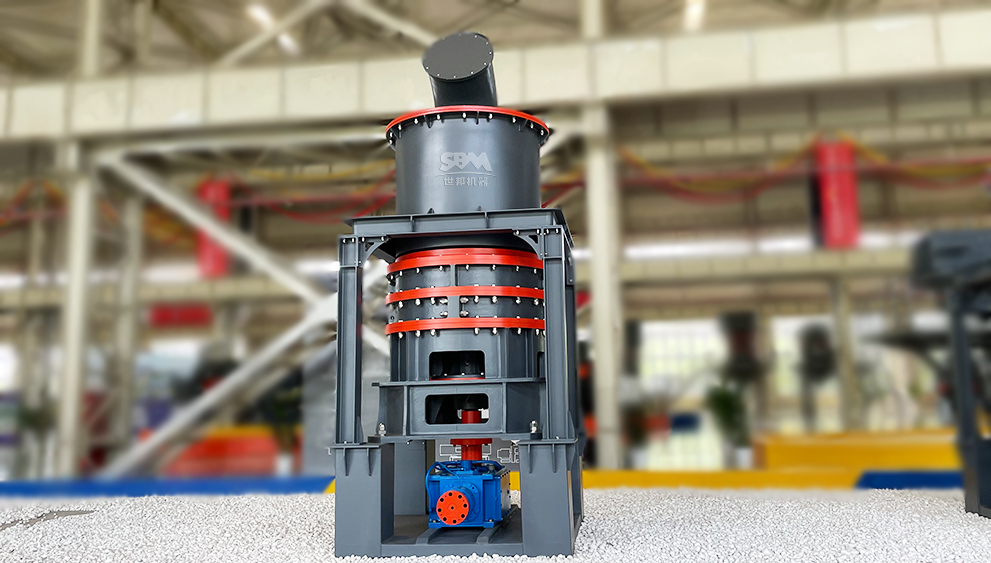
Technical Advantages:
Under the same fineness and power conditions, its output is 40% higher than that of air jet mills, with energy consumption reduced by 20%.
The fineness of finished products is adjustable from 325 to 2500 mesh, and can reach the standard of d97≤5μm in a single pass.
Equipped with a high-efficiency pulse dust collector and muffler, it achieves dust-free and low-noise operation during production.
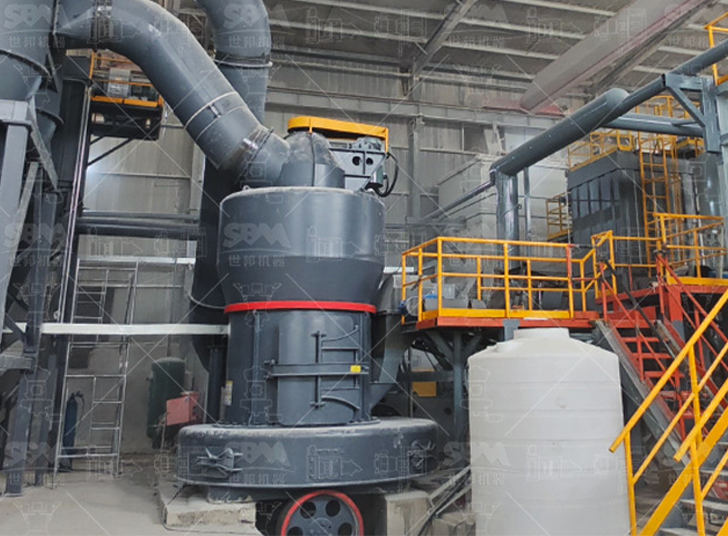
Material: Fluorspar Fineness: 200 Mesh Application: Building Materials Industry Main Equipment: MTW European Trapezium Grinding Mill
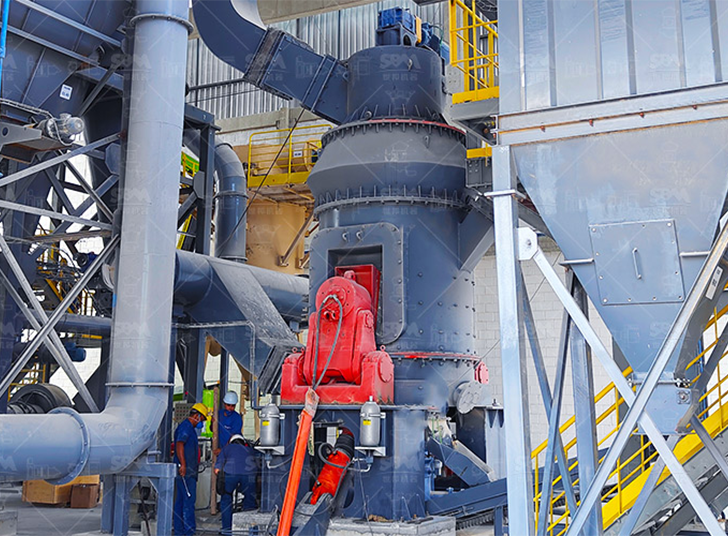
Raw Material: Feldspar Product Fineness: 200 mesh Product Application: Ceramics Industry Main Equipment: LM Vertical Grinding Mill
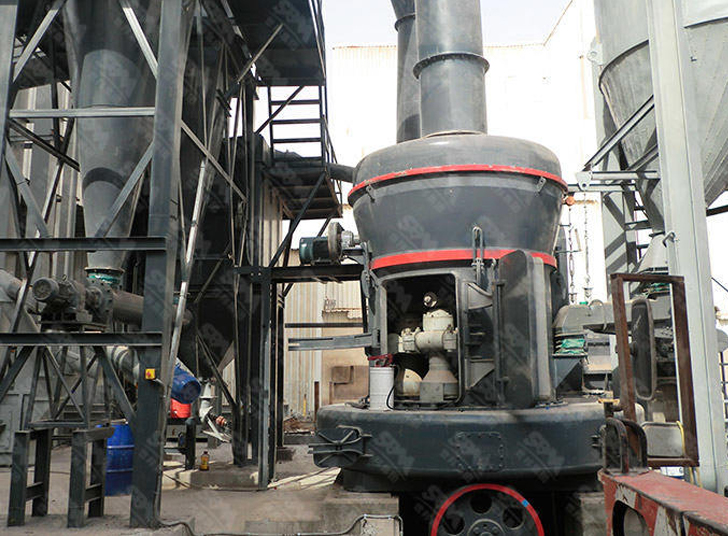
Raw material: barite Finished powder fineness: 325 mesh Feeding particle size: ≦30mm Main equipment: MTW138 (2 units)
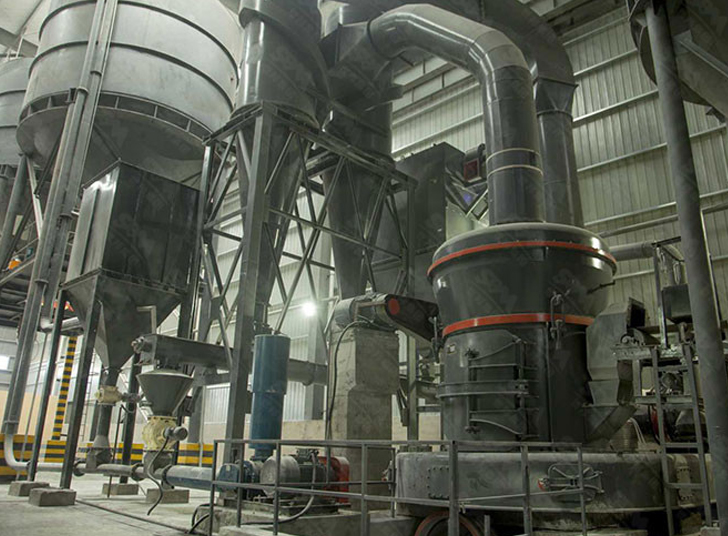
Material:gypsum ore Fineness: 325 mesh Application: non-metallic mineral Main Equipment: MTW European Trapezium Grinding Mill