Industrial by-product gypsum, also known as chemical gypsum, is an industrial solid waste mainly composed of calcium sulfate. Promoting the harmless disposal, resource recycling and high-value deep processing of industrial by-product gypsum is a top priority for comprehensive solid waste management and the development of green and low-carbon industries.
To address key industry pain points: massive existing stockpiles, continuous new accumulation, prominent environmental risks, as well as bottlenecks in harmless treatment, resource recovery and high-end conversion of industrial by-product gypsum, SBM leverages nearly four decades of R&D experience in grinding technology and engineering project delivery. Aligning with the industry trend of green transformation and high-value development, we provide energy-efficient, intelligent and reliable complete process equipment.
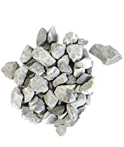
The existing stock of industrial by-product gypsum is predominantly flue gas desulfurization gypsum and phosphogypsum. The remaining types include more than ten varieties such as fluorogypsum, titanium gypsum, citric acid gypsum and salt gypsum.
After pretreatment and deep processing, industrial by-product gypsum (including FGD gypsum, phosphogypsum, titanium gypsum, etc.) has found five major high-value application sectors: building materials, infrastructure construction, agricultural applications, ecological restoration and new advanced materials.
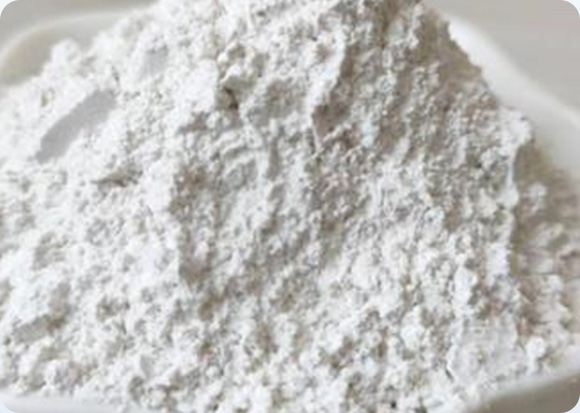
It is produced from the flue gas desulfurization process in thermal power plants, with main component being dihydrate calcium sulfate. It has relatively low impurity content, a moisture content of approximately 12%-18%, high viscosity, and tends to harden and agglomerate easily.
It is a waste residue generated during phosphoric acid production. It is generally acidic and contains residual harmful impurities such as phosphorus and fluorine. Open-air stockpiling can easily cause soil and water pollution, posing significant environmental risks.
These include titanium gypsum, fluorogypsum, salt gypsum, citric acid gypsum, mirabilite gypsum, copper gypsum, mould gypsum and other varieties.
The overall treatment process for industrial by-product gypsum (including FGD gypsum, phosphogypsum, titanium gypsum, fluorogypsum, etc.) centers on two main lines: harmless pretreatment and high-value resource utilization. Calcination and grinding are the key process steps for the resource recovery of gypsum solid waste.
It can be used to manufacture gypsum blocks, gypsum wall panels, plaster gypsum and gypsum mortar;
formulate self-leveling mortar, sintered bricks and road base stabilization materials;
produce building gypsum and high-strength gypsum products.
Rapidly pre-dry high-moisture gypsum raw materials (such as FGD gypsum) to remove free moisture, preventing material caking and equipment blockage in the subsequent calcination process.
Remove the crystal water from dihydrate gypsum under constant temperature conditions, converting it into hydraulic hemihydrate gypsum, namely building gypsum powder.
Conduct fine grinding of calcined gypsum materials to achieve uniform particle size, while completing modification treatment to ensure stable performance of finished products.
Cool and homogenize the high-temperature gypsum powder through aging treatment to optimize the phase structure and stabilize product quality.
It can be used as a cement retarder to regulate cement setting time and replace natural gypsum raw materials.
It can also serve as a special mineralizer for cement clinker calcination, optimizing the mineral crystal structure of clinker and improving clinker quality.
With industrial by-product gypsum as the core raw material, formulate the mixture with coke or anthracite coal as the reducing agent, clay / fly ash to provide silica-alumina components, and iron powder as the mineralizer.
Fully mix and finely grind the batched raw materials to produce raw meal powder that meets the required standards for fineness and chemical composition.
The raw meal powder is fed into the rotary kiln, where calcination and decomposition reactions take place under a reducing atmosphere at a high temperature of 1200–1300°C.
The high-temperature flue gas with high concentration of sulfur dioxide from the kiln tail undergoes purification, catalytic conversion, absorption and other processes to produce industrial sulfuric acid.
The high-temperature clinker discharged from the kiln head is rapidly cooled by a grate cooler, yielding qualified cement clinker with consistent quality.
Through deep and ultrafine processing, new functional calcium-based fillers can be produced: ultra-fine Type I anhydrous calcium sulfate (crystal-transformed calcium) and high-performance reinforcing calcium sulfate whiskers. These can replace traditional fillers such as ground calcium carbonate, precipitated calcium carbonate, talcum powder and barium sulfate.
Raw material impurity removal and purification
High-temperature calcination for crystal transformation / directional controlled crystallization treatment
Ultrafine grinding: fineness up to 800–3000 mesh
Powder modification and homogenization conditioning
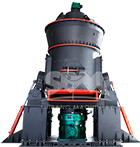
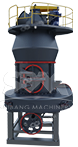
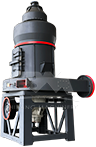
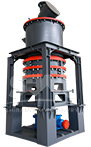
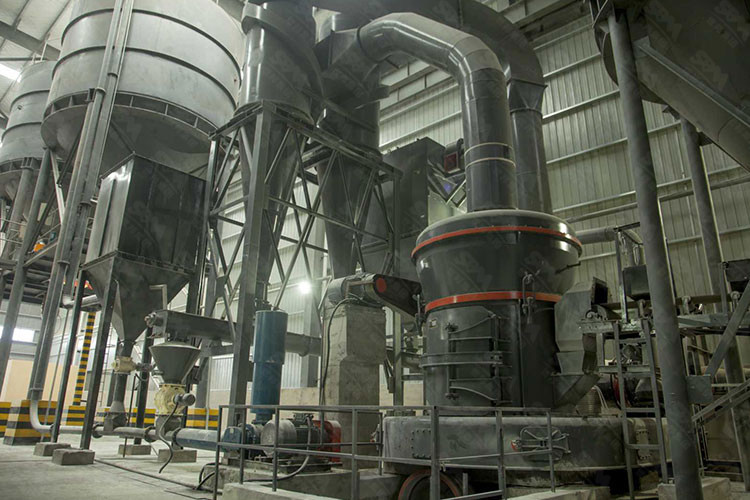
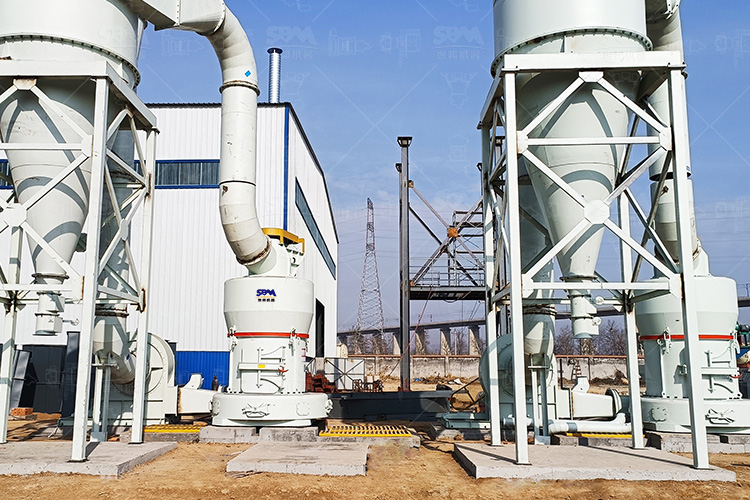
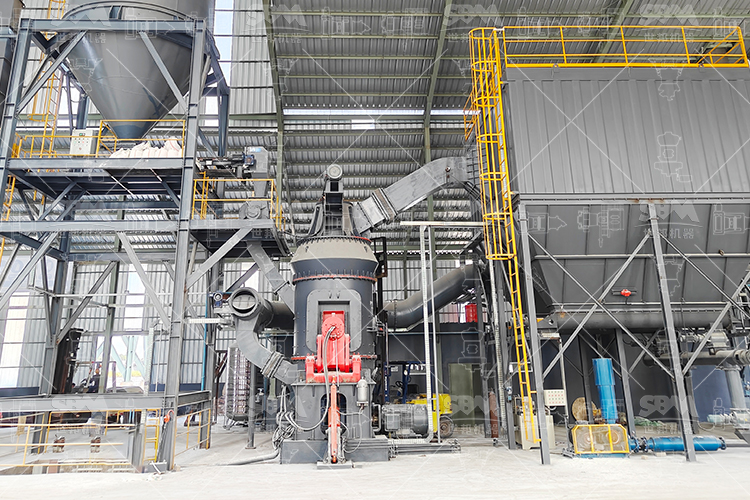
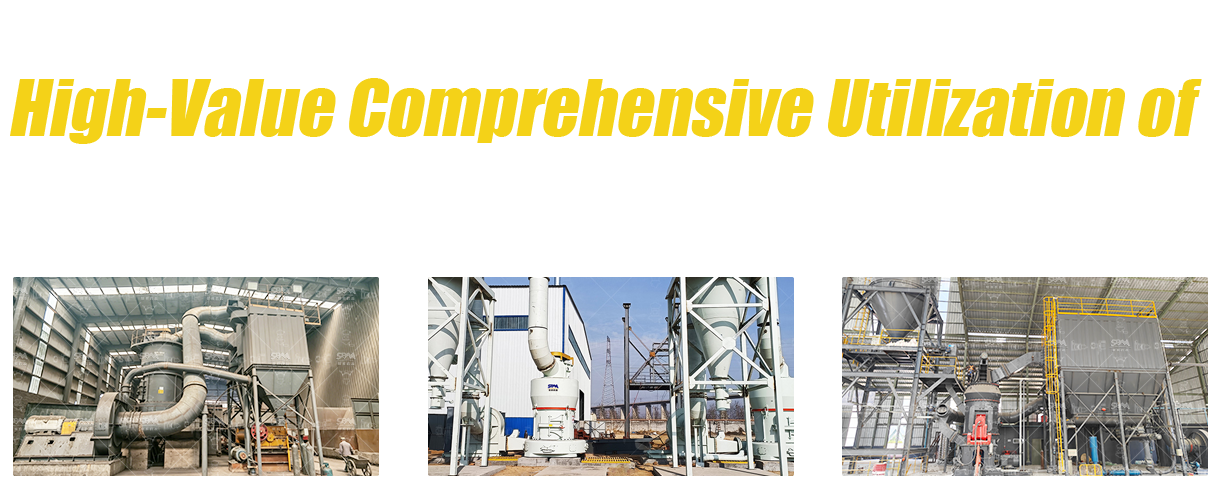
Based on the material characteristics of industrial by-product gypsum, SBM provides customized integrated full-process grinding solutions. These cover all key processes: raw material pretreatment, pre-drying, calcination and dehydration, grinding modification, cooling and aging, as well as environmentally friendly storage and conveying. LM vertical roller mill integrates multiple functions including drying, grinding, powder classification and conveying, serving as the core main equipment for large-scale, low-energy gypsum processing. MTW European version mill adopts a full thin-oil lubrication structure paired with an intelligent automatic control system.
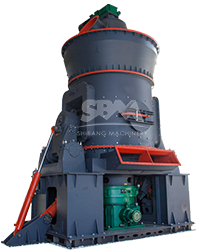
Fineness: 80–400 mesh
Capacity: 10–340 t/h
Ideal Choice for Large-Scale & Intelligent Grinding
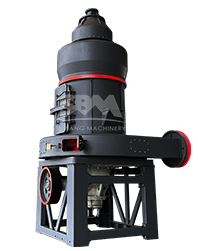
Fineness: 80–325 mesh
Capacity: 3–50 t/h
Upgraded with brand-new technology,
reaching national advanced level
Suitable for multiple types of by-product gypsum including FGD gypsum and phosphogypsum; customized production lines of various capacities are available upon request.
Waste heat recycling is adopted, cutting overall energy consumption by more than 30% compared with traditional processes and greatly reducing production costs.
Precise control over fineness and activity, meeting high-standard requirements for cement retarders, building gypsum, self-leveling materials and other products.
Fully enclosed dust-free production, eliminating stockpiling pollution at the source.
PLC intelligent central control system ensures high equipment stability, enabling unattended continuous production.