
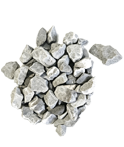
Feeding
Various raw materials (clinker, gypsum and admixtures) are accurately proportioned and metered as preset. They are conveyed by belt conveyor to the buffer bin above the roller press, and then fed evenly into the roller press from the bin.
CEMENT GRINDING SOLUTIONS / SBM
Empowers Technical Upgrading of the Cement Industry
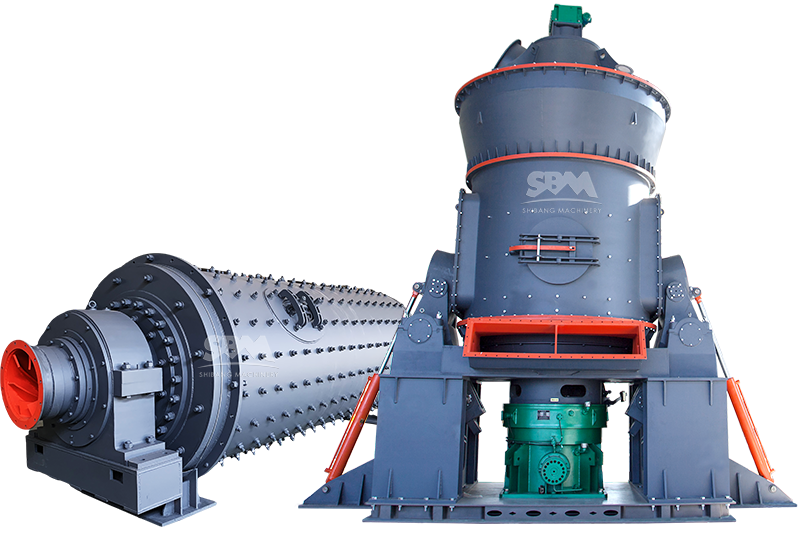 LM Vertical Roller Mill Cement Ball Mill
01 OVERVIEW
A cement grinding station is a production facility that grinds cement clinker, gypsum and auxiliary raw materials together to produce finished cement. Cement grinding stations are mainly divided into two categories: raw material grinding stations and cement clinker grinding stations. The raw material grinding unit grinds raw materials such as limestone and clay into fine raw meal before the calcination process. As the final stage of cement production, the cement clinker grinding station mixes clinker with gypsum, together with auxiliary materials including slag, fly ash and limestone, to manufacture finished cement.
Modern cement grinding stations generally adopt vertical mill and ball mill grinding systems. Advanced grinding technology can reduce the feed particle size and create internal cracks in materials, greatly improving grinding efficiency. Both open-circuit and closed-circuit grinding systems are widely used to meet different requirements on output and finished product fineness. Cement clinker grinding stations can also process industrial by-products and waste such as granulated blast furnace slag, steel slag, fly ash and coal gangue. It serves as an energy-efficient production solution for the modern cement manufacturing industry.
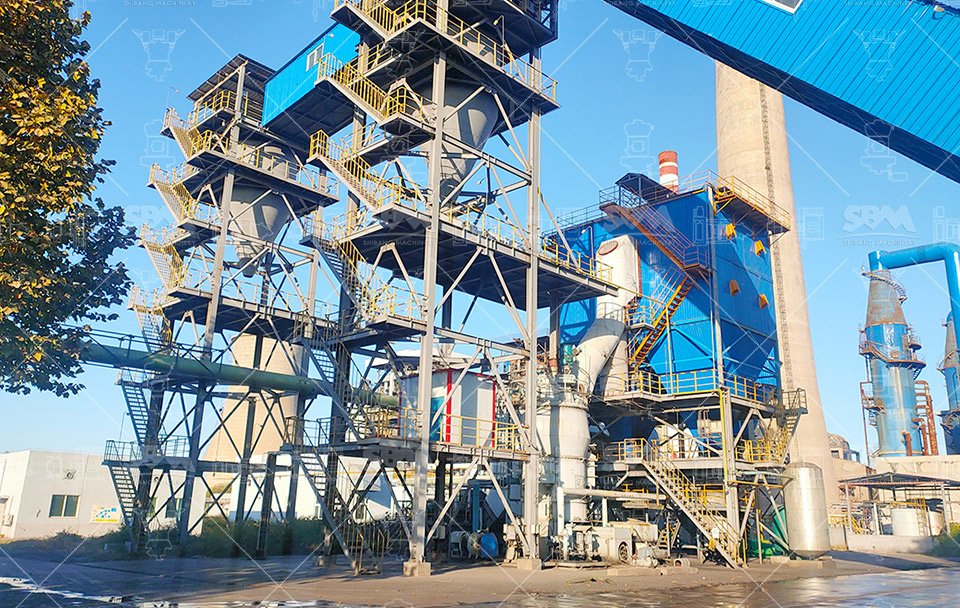 TURNKEY CEMENT GRINDING PLANT
02 HOW IT WORKS
Five tightly linked stages turn clinker and additives into consistent, specification-ready cement.
Various raw materials (clinker, gypsum and admixtures) are accurately proportioned and metered as preset. They are conveyed by belt conveyor to the buffer bin above the roller press, and then fed evenly into the roller press from the bin.
The materials are first compressed into cake under high pressure in the roller press, then fed into a ball mill or vertical mill. Under impact and fine grinding by grinding media, they are finally processed into cement powder.
Material discharged from the mill enters the classifier with airflow. Finished products meeting fineness requirements are carried out by the airflow, while coarse particles return to the mill for re-grinding to form a closed-circuit cycle.
Dust-laden airflow goes into a large baghouse filter. Cement finished products are collected by filter bags, and the cleaned gas is discharged into the atmosphere.
Finished cement is conveyed to large cement silos, then packed into bags or directly transported out by bulk cement trucks.
Need a flowsheet tailored to your raw materials and target fineness?
Request a Custom Flowsheet03 CORE EQUIPMENT
The main grinding equipment in a cement grinding station includes LM vertical roller mills and ball mills, which are used for grinding cement clinker and raw materials.
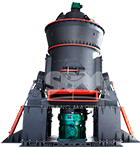
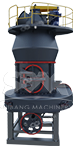
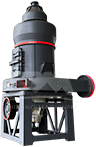
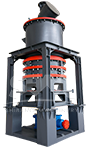
Designed for cement raw meal and clinker grinding, the LM vertical roller mill integrates crushing, drying, grinding, classification and conveying in one unit. Using bed grinding technology, it reduces power consumption by 30%–40% compared with conventional ball mill systems. Its compact design requires only half the floor space and allows outdoor installation, reducing civil engineering costs.
The mill mainly consists of a classifier, grinding rollers, grinding table, pressurization system and motor. Materials are ground on the rotating table under roller pressure. The powder is carried by airflow to the classifier, where fine powder is collected as the finished product and coarse particles return for regrinding.
It effectively controls particle size, chemical composition and iron content of the product, ensuring high standards of purity and whiteness to meet high-quality production requirements.
Get Equipment Quote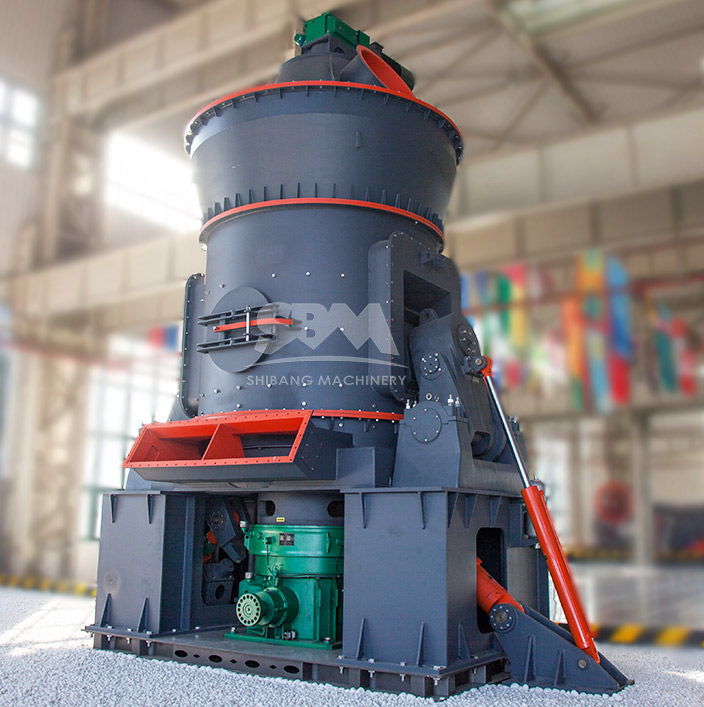
The cement grinding ball mill adopts a horizontal rotating cylinder structure with two or three grinding compartments inside. Different sizes of steel grinding media are loaded inside the mill. By impact and grinding action, clinker and limestone raw materials are ground into fine cement powder. Cement clinker, gypsum and admixtures are fed into the mill through the hollow trunnion at one end, and the ground material is discharged via the outlet hollow trunnion at the other end.
Reduction ratio up to 300 · Adjustable product fineness · Two or three grinding compartments
Raw materials are ground into powder by friction and gravity inside the mill cylinder. Fine powder can be efficiently separated, improving finished product quality while cutting energy consumption.
Get Equipment Quote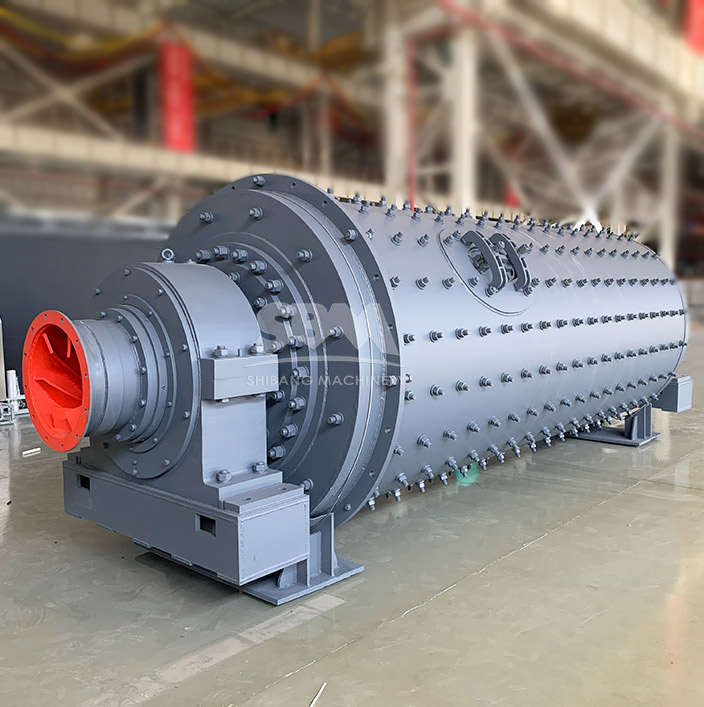
04 THE SBM ADVANTAGE
SBM customizes exclusive process solutions based on clients’ production capacity, raw material proportioning, site conditions and environmental requirements. The full scope covers raw material conveying, main grinding mills, hot air systems, finished product storage and automatic control systems. Our service chain includes material testing, process design, equipment manufacturing, factory acceptance inspection, on-site installation guidance, commissioning up to full capacity, operator training and long-term operation & maintenance support, delivering one-stop EPC turnkey projects. Up to now, SBM LM vertical roller mill clinker grinding solutions have been successfully put into operation in numerous cement grinding projects at home and abroad. Stable operating performance and comprehensive full-lifecycle services have won high recognition from project owners.
Against the long term trend of green transformation in the cement industry, SBM will keep upgrading the structural design of LM vertical roller mills, new wear-resistant materials and intelligent control systems. We continuously optimize the co-grinding process for clinker, slag, steel slag, limestone and other materials, and supply high-efficiency, low-carbon and reliable grinding equipment and complete engineering packages. We help building material enterprises worldwide achieve energy conservation, efficiency improvement and high quality sustainable development.
Built around your capacity, materials and site.
From material testing to commissioning.
Training, spare parts and long-term O&M.
05 PROJECT REFERENCES
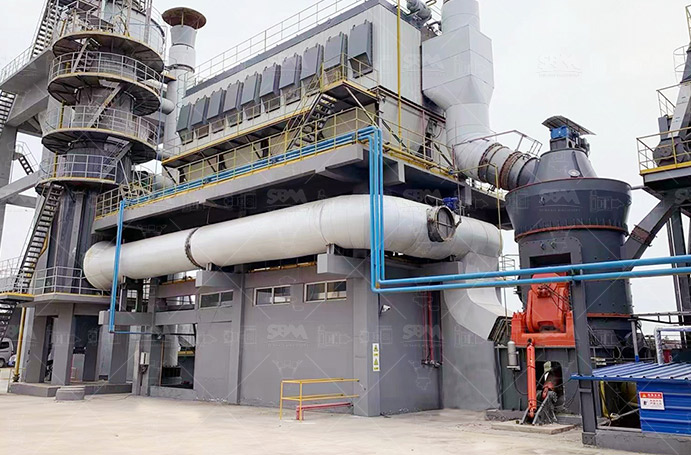
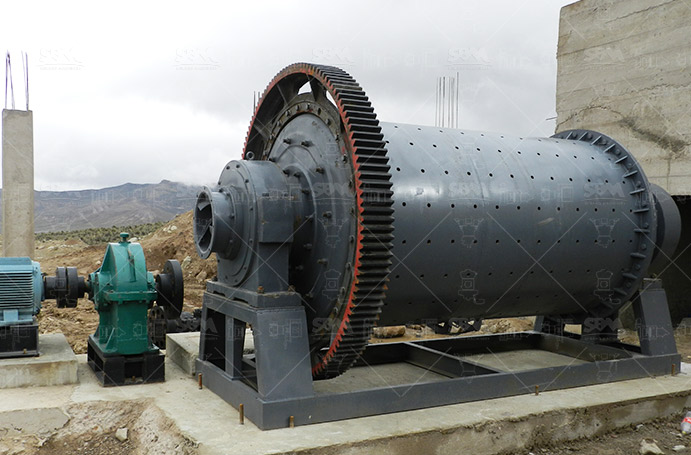
Proven grinding plants in operation, from slag grinding to clinker finish grinding.
06 EXPERT ANSWERS
Practical answers on grinding systems, energy performance, materials and project delivery.
A cement grinding station grinds clinker, gypsum and auxiliary materials into finished cement and is the final stage of cement production. A raw material grinding station works before calcination, grinding limestone, clay and similar materials into fine raw meal. SBM supplies grinding systems for both applications.
It depends on capacity, feed size, product fineness and site conditions. LM vertical roller mills integrate crushing, drying, grinding, classification and conveying, use 30%–40% less power and need about half the floor space. Ball mills offer a reduction ratio of up to 300, adjustable fineness and high throughput for large lines. Our engineers will recommend a configuration after material testing.
Yes. Modern clinker grinding stations can also handle industrial by-products and waste such as granulated blast furnace slag, steel slag, fly ash and coal gangue. We continuously optimize the co-grinding process for clinker, slag, steel slag, limestone and other materials so a single line can serve multiple products.
The full scope covers raw material conveying, main grinding mills, hot air systems, finished product storage and automatic control systems. Services include material testing, process design, equipment manufacturing, factory acceptance inspection, on-site installation guidance, commissioning up to full capacity, operator training and long-term operation & maintenance support.
Dust-laden airflow passes through a large baghouse filter where filter bags collect the finished cement and cleaned gas is discharged into the atmosphere. The LM vertical roller mill is fully sealed and operates under negative pressure with zero dust leakage; its compact integrated design also allows outdoor installation, reducing civil engineering investment.
Our grinding engineers are online and ready to help with your project.


