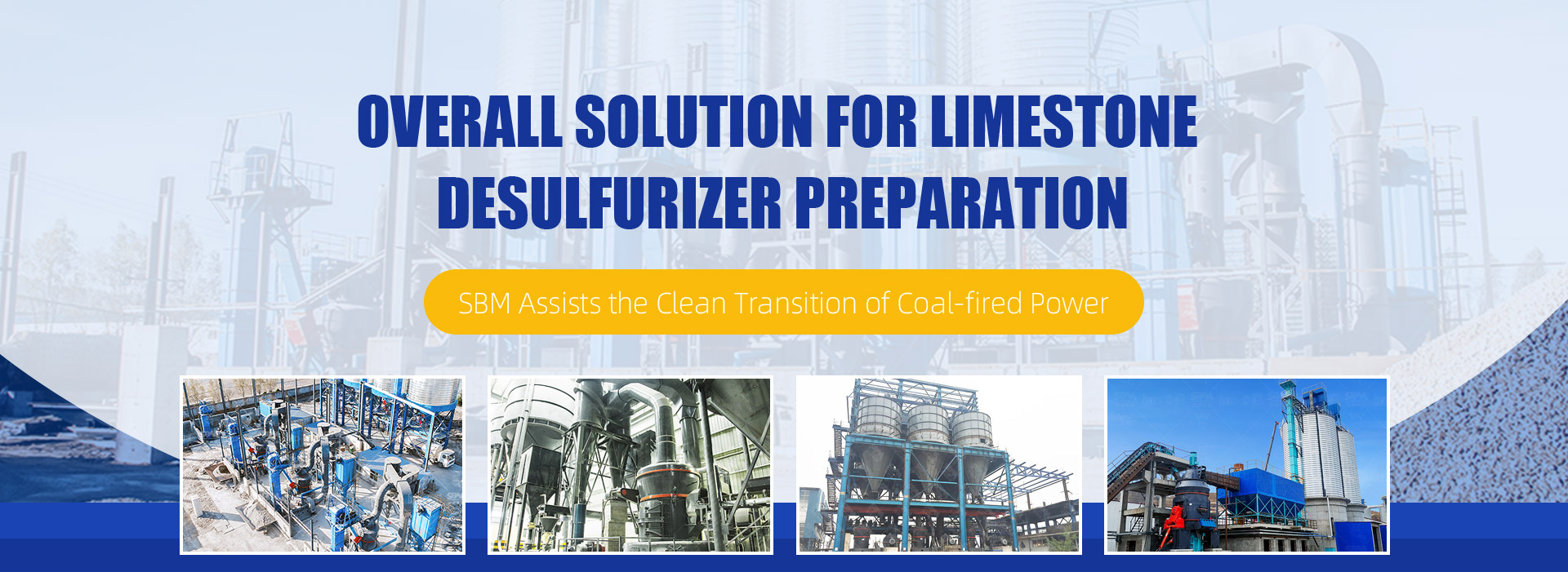
Over the past century, coal-fired power has served as the "ballast stone" for industrialization and urbanization, boasting advantages of stability, low cost and controllability. From early extensive combustion, it has gone through three major stages: large-scale expansion, technological upgrading and environmental protection renovation. Each transformation has injected powerful momentum into industrial development.
Faced with these severe challenges, developing efficient, stable and economical desulfurization technology has become an inevitable path for the sustainable development of the coal-fired power industry. The foundation of all this lies in the preparation of high-quality desulfurizers.
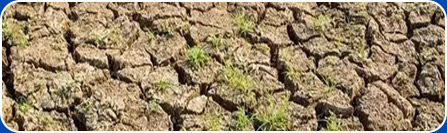 Environmental acidification
 Equipment corrosion
 Health hazards
The selection of desulfurization processes is directly related to pollutant control effects and production operation costs. After years of technological iteration and practical verification, the current mainstream desulfurization processes have formed a relatively mature technical system, with wet desulfurization and dry desulfurization as the two core categories.
Limestone-Gypsum Wet Flue Gas Desulfurization (FGD): As one of the most widely applied desulfurization processes currently, its principle is to use limestone slurry as the absorbent. The slurry fully contacts flue gas in the absorption tower, where sulfur dioxide (SO₂) in the flue gas undergoes a chemical reaction with limestone to produce calcium sulfite, which is then oxidized to form gypsum.
CFB Circulating Fluidized Bed In-Furnace and Out-of-Furnace Desulfurization Process: It adopts circulating fluidized bed combustion technology. Limestone powder is injected into the combustion zone in the furnace, and calcium oxide produced by the thermal decomposition of limestone reacts with SO₂ for preliminary desulfurization. Outside the furnace, a circulating fluidized bed reactor is used to further conduct deep desulfurization with fine-grained limestone powder.
 High desulfurization efficiency
 Mature technology
 Wide application range
 Utilizable by-products
 Significant environmental benefits
 Improve production efficiency
 Save investment costs
 Reduce site and labor requirements
 Stable system operation
 Excellent environmental benefits
 Wide source availability
 Low cost
 High desulfurization efficiency
 Stable desulfurization performance
 Comprehensive utilization of products
 Minimal corrosion to equipment
Limestone powder as a desulfurizing agent has significant advantages
Desulfurization efficiency is directly related to the specific surface area of limestone powder, and particle size distribution is the key parameter determining the specific surface area: Wet desulfurization: Limestone powder is required to have a fineness of 90% or more passing through 250 mesh. Circulating fluidized bed (CFB) in-furnace and out-of-furnace desulfurization: Desulfurizing agent limestone powder requires a fineness of 1mm - 0.045mm (for in-furnace desulfurization) and 0 - 0.045mm (for out-of-furnace desulfurization).


Mining


Crushing


Grinding


Classification


Collection

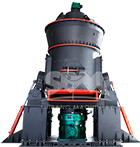
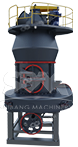
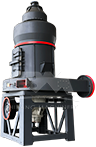
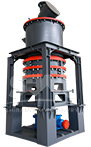
The preparation of high-quality limestone desulfurizing agent is a complex project involving material properties, grinding processes and system integration. Based on years of experience in grinding equipment R&D, SBM has designed a complete set of grinding process solutions tailored to the special requirements of limestone powder production for desulfurizing agents.
Fineness: 80–325 mesh Capacity: 3–50 T/H
Energy-Saving & High-Efficiency·Intelligent Operation·Superior Finished Products
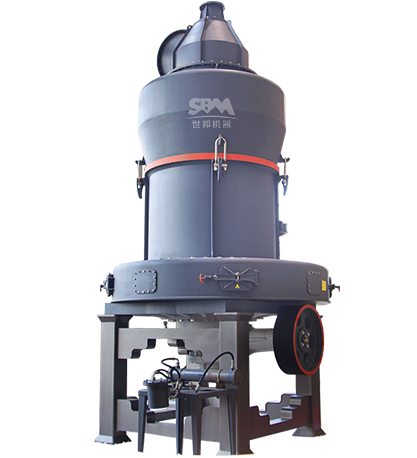
Fineness: 80–400 mesh Capacity: 10–340 T/H
Multi-Functional in One Machine·Low-Carbon & Dust-Free·Superior Finished Products
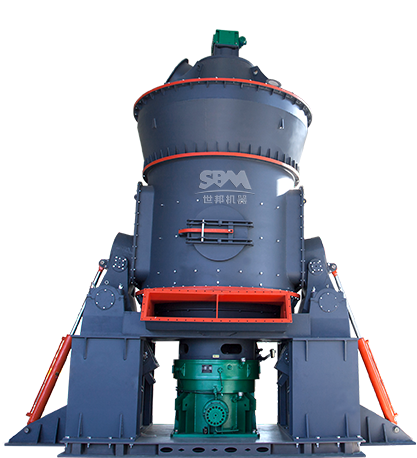
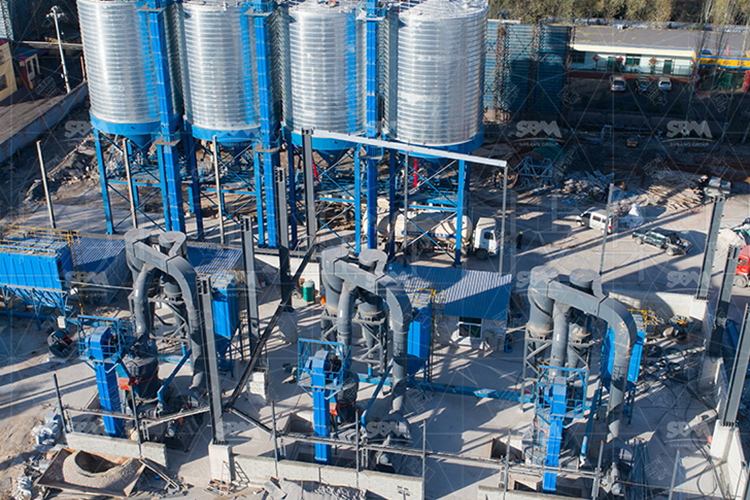
Raw material: Limestone
Main equipment: MTW175G (4 units)
Processing capacity: 400,000 tons/year
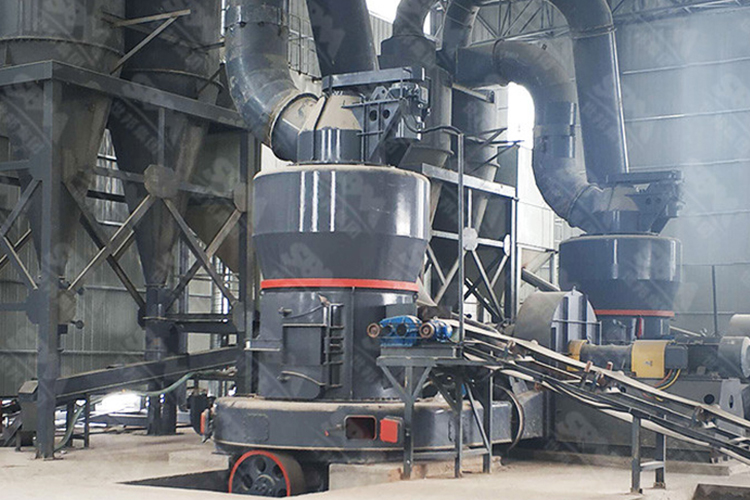
Raw material: Limestone
Finished powder use: power plant desulfurization
Main equipment: 2 MTW trapezoidal mills
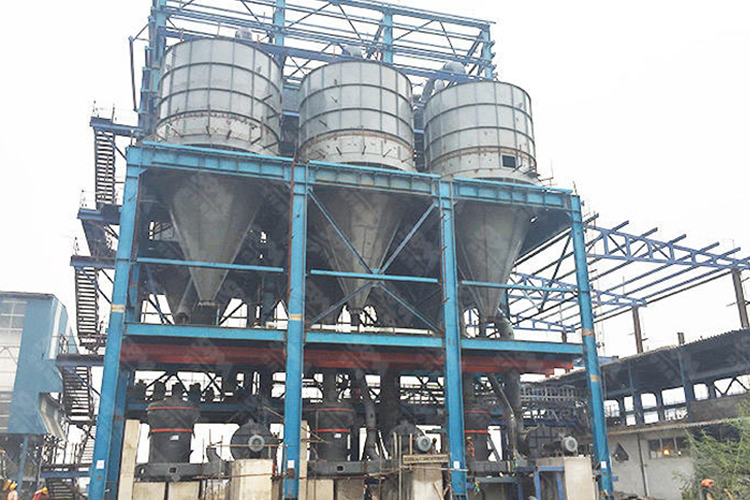
Raw material: 0-12mm limestone (CaO>81.6%, humidity <0.1%H2O)
Finished powder use: power plant desulfurization
Main equipment: MTW138 European version trapezoidal mill (3 sets)

Processing Material: Limestone
Finished Product Application: Power Plant Desulfurization
Equipment: LM Vertical Roller Mill